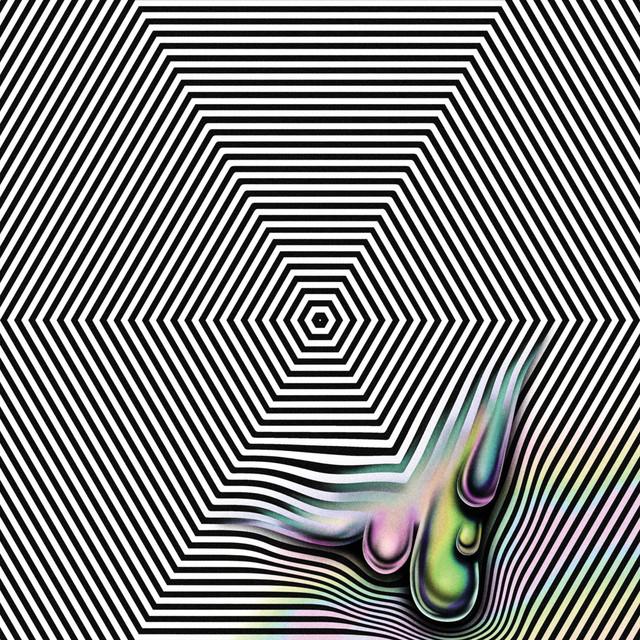
Nine albums in, Oneohtrix Point Never remains electronic music’s most reliably strange voice. Magic Oneohtrix Point Never, his ninth studio LP released on Warp Records in October 2020, is a concept record about radio: a full evening of simulated broadcast from a fictional station, complete with jingles, phone-ins and static. It’s also his most generous and accessible record in years — a psychedelic sound collage that folds gospel, soft rock and TV muzak into something unexpectedly human, with help from Arca, Caroline Polachek and The Weeknd.
The Cross Talk interstitials that bookend the record are the key to it. Each is a fragment of channel-surfing — a jingle, a burst of ad-break nonsense, an echo of some forgotten broadcast — and together they frame the songs as transmissions rather than compositions. Auto & Allo opens the proper album with a vocoded dealership jingle, all glossy pads and pit-stop funk, before Long Road Home arrives: a huge synth-pop moment with Caroline Polachek’s airy vocal riding a pulse that could soundtrack dawn on the M1. I Don’t Love Me Anymore follows, a pillowy, vaporwave-tinted melancholy that disguises one of Lopatin’s most direct songs as a screensaver.
The record’s centre is its strangest stretch. Bow Ecco shimmers with glassy, choir-like tones, while The Whether Channel — co-produced with Arca — stretches six minutes of weather-broadcast drift into something vast and quietly ominous. No Nightmares brings The Weeknd’s processed croon into the frame, his vocal smeared across a wobbly late-night groove, and Tales From The Trash Stratum is pure junk-shop collage: grimy funk, garbled voices and clattering percussion stirred into a soup that shouldn’t work but does.
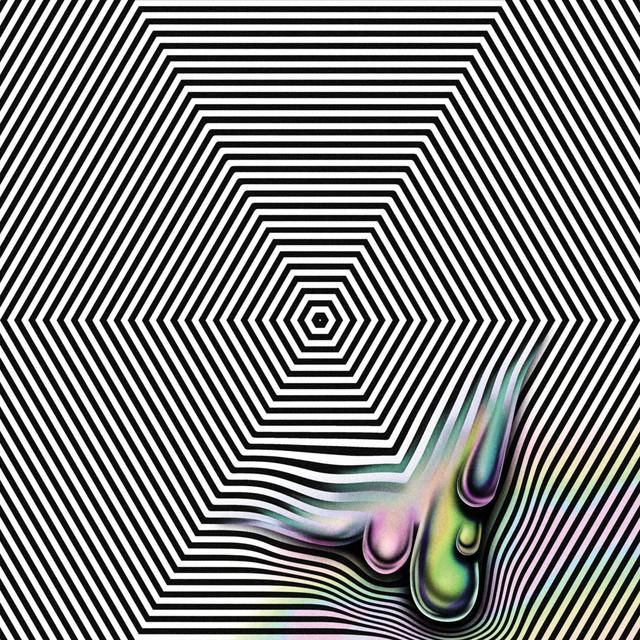
Magic Oneohtrix Point Never presents a full evening of simulated radio broadcast.
The back half leans harder into the idea of memory corroding in the receiver. Imago trades in grainy strings and film-score grandeur, and Lost But Never Alone is as close as Lopatin has come to an outright AOR ballad, its anthemic synth line hovering somewhere between stadium and shopping centre. Answering Machine and Cross Talk IV / Radio Lonelys drop in like half-remembered dreams, Shifting and Wave Idea pass in a haze, and then Nothing’s Special arrives: a chopped gospel choir pitched into ecstasy, the record’s biggest and most unashamedly joyful moment. Ambien1 ends things as a drowsy, defeated comedown, leaving you staring at the ceiling as the signal fades.
It would be easy to hear Magic Oneohtrix Point Never as a knowing smirk at corporate muzak and ad-break schmaltz. But there’s real warmth beneath the irony. By treating radio as a memory machine — the way a song stuck in the car stereo embeds itself in your life — Lopatin has made something genuinely moving out of mass media’s rubbish. The production is immaculate throughout: every pad, bassline and buried vocal sits in its own pocket of reverb, assembled with the care of someone restoring a broken broadcast rather than mocking one. It stands as one of the most acclaimed electronic records of the year, and it remains a landmark — proof that no one else in the genre sounds quite like him.