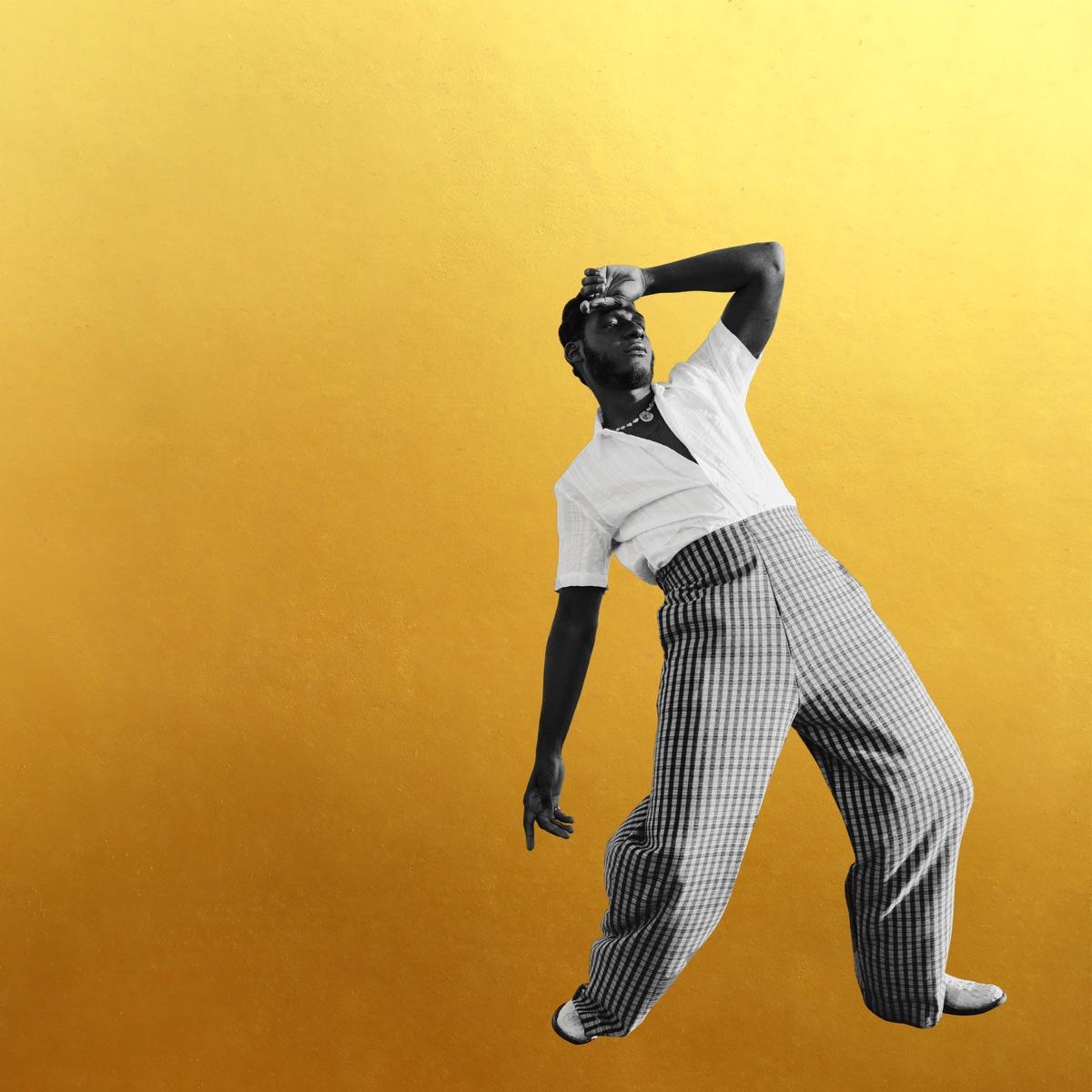
Leon Bridges releases Gold-Diggers Sound today on Columbia Records, his third album and by some distance his most adventurous. Where 2015’s Coming Home and 2018’s Good Thing reconstructed vintage soul with immaculate polish, this record is something else entirely: cut live with a band in the studio above the Gold-Diggers Sound bar in Los Angeles, it trades gloss for presence, swapping airtight edits for first-take looseness and a late-night intimacy that feels less like performance than confession. Robert Glasper and Terrace Martin both feature, and their presence signals the jazz-tinged, hypnotic territory Bridges is staking out.
The shift is audible from the very first bar. Where his earlier work kept everything clean and air-locked, Gold-Diggers Sound lets the room into the music: drums spill into the vocal mic, tempos breathe and sway, and the whole record carries the warm, woolly glow of a session played in rather than painted over. It’s a braver way of working for a singer known for flawless craft, and it suits him. The looseness never reads as sloppiness — every track still knows exactly where it’s going, it just takes the scenic route to get there.
The guests slot in with a light, natural touch. Robert Glasper’s piano on opener Born Again gives the song its unhurried, gospel-tinged swing, while Terrace Martin’s saxophone on Sweeter adds a smoky, late-night colour that stops just short of stealing the show. Don’t Worry (feat. Ink), the record’s longest cut at over six and a half minutes, is its beating heart — a patient jam that wanders, stretches and never once overstays its welcome.

Gold-Diggers Sound found Leon Bridges working with a live band in the studio.
Motorbike is the woozy, off-kilter slow-burner, all rolling bass and clattering percussion, while Steam is the funkiest thing here — tight syncopated bass, scratchy guitar and horns that hit like an exclamation mark. Why Don’t You Touch Me is hypnotic and quietly anxious, the vocal doubled and floating over sparse keys, and the short, spoken Gold-Diggers (Junior’s Fanfare) works beautifully as a palate cleanser before the swaggering Details and the playful handclaps of Sho Nuff. Closer Blue Mesas drifts off into a dusty, cinematic haze, strings fading into the night and leaving you with the urge to press play again.
Gold-Diggers Sound is a risk that pays off. It won’t replace the immaculate retro-soul of Bridges’ early records, and it isn’t trying to — what it proves is that he’s far more than a revivalist. Recorded in the room, with the tape running and the band locked in, this is a late-night record in the truest sense: warm, woozy and gloriously human. His most alive work yet.





























![The artwork for the album Before This by Ø [Phase]](/_next/image/?url=%2F_next%2Fstatic%2Fmedia%2Fartwork.3iatcz4yanrkb.jpg&w=3840&q=75)