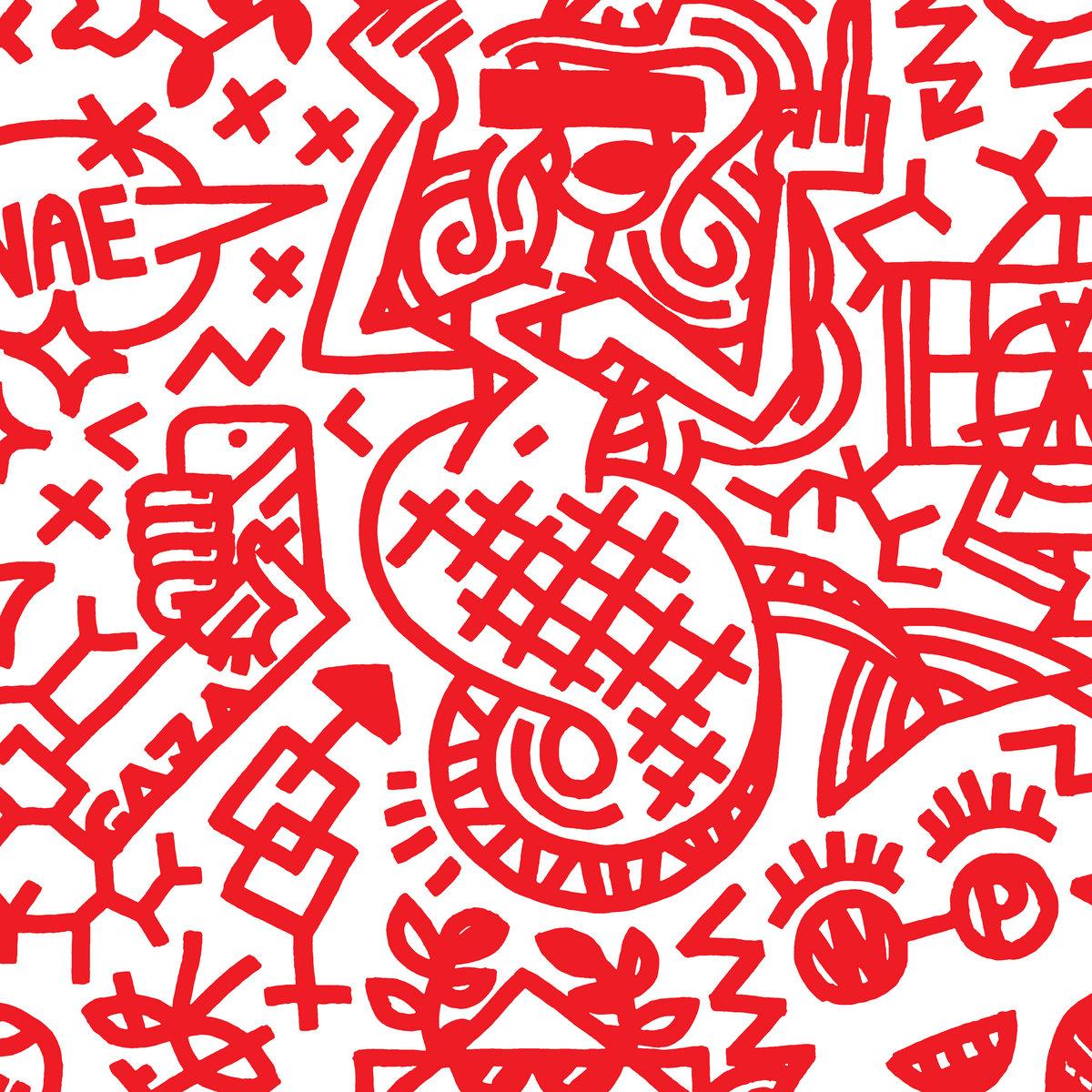
Swiss producer Scotch Rolex has spent the past few years fashioning a sound that sits somewhere between hardware techno and something far stranger — and TEWARI, his debut album on Hakuna Kulala, the club-focused sibling imprint of Kampala’s Nyege Nyege Tapes, presents it in the fullest possible terms. Eleven tracks of twisted club electronics, assembled over months of files shuttling between Switzerland and Uganda, arrives trailing serious underground buzz, and it’s easy to hear why.
That axis matters as much as the sound. The record’s rhythmic signature is immediately distinctive: lurching kick drums, blown-out sub bass and grainy, half-decayed textures that refuse to sit neatly on the grid, as if the tempo were being pulled in two directions at once. It’s music built for rooms that like their club nights a little off-kilter, and there’s a genuine charge to the way Scotch Rolex lets the disorder breathe rather than tightening it into submission.
The guest cast reads like a roll-call of the Nyege Nyege extended family. MC Yallah’s deadpan delivery rides the lurching bassline of Omuzira with characteristic cool, returning on Juice with a looser, warier energy, whilst Lord Spikeheart — better known for fronting experimental duo Duma — brings a gravelly, possessed intensity to Success, Sniper and the closing Lapis Lazuli. Don Zilla’s frantic verse turns Afro Samurai into the record’s most combustible moment, and Chrisman’s sung hook on Cheza offers the sweetest respite of the whole set.
Left alone, the instrumentals are where the weirdness really sings. Title track Tewari is the thesis: a menacing, half-time stagger whose bassline flexes around a beat that refuses to settle. U.T.B. 88 arrives like a broken rave transmission, all detuned stabs and dust, whilst the short, percussion-led Nfulula Biswa, built around Swordman Kitala’s drumming, shows an appetite for pure rhythm the rest of the record only hints at.
It isn’t an easy record — a few tracks feel more like sketches than statements, and the relentless awkwardness of the rhythms can exhaust as much as it excites. But that’s precisely the point. TEWARI is an album of genuine exchange, one in which a Swiss producer’s taste for disorder finds its perfect foil in the energy of the Kampala scene. For a debut it’s remarkably assured, and it makes a compelling case that the most interesting club music right now is being made across borders, not within them.



















![The artwork for the album Before This by Ø [Phase]](/_next/image/?url=%2F_next%2Fstatic%2Fmedia%2Fartwork.3iatcz4yanrkb.jpg&w=3840&q=75)