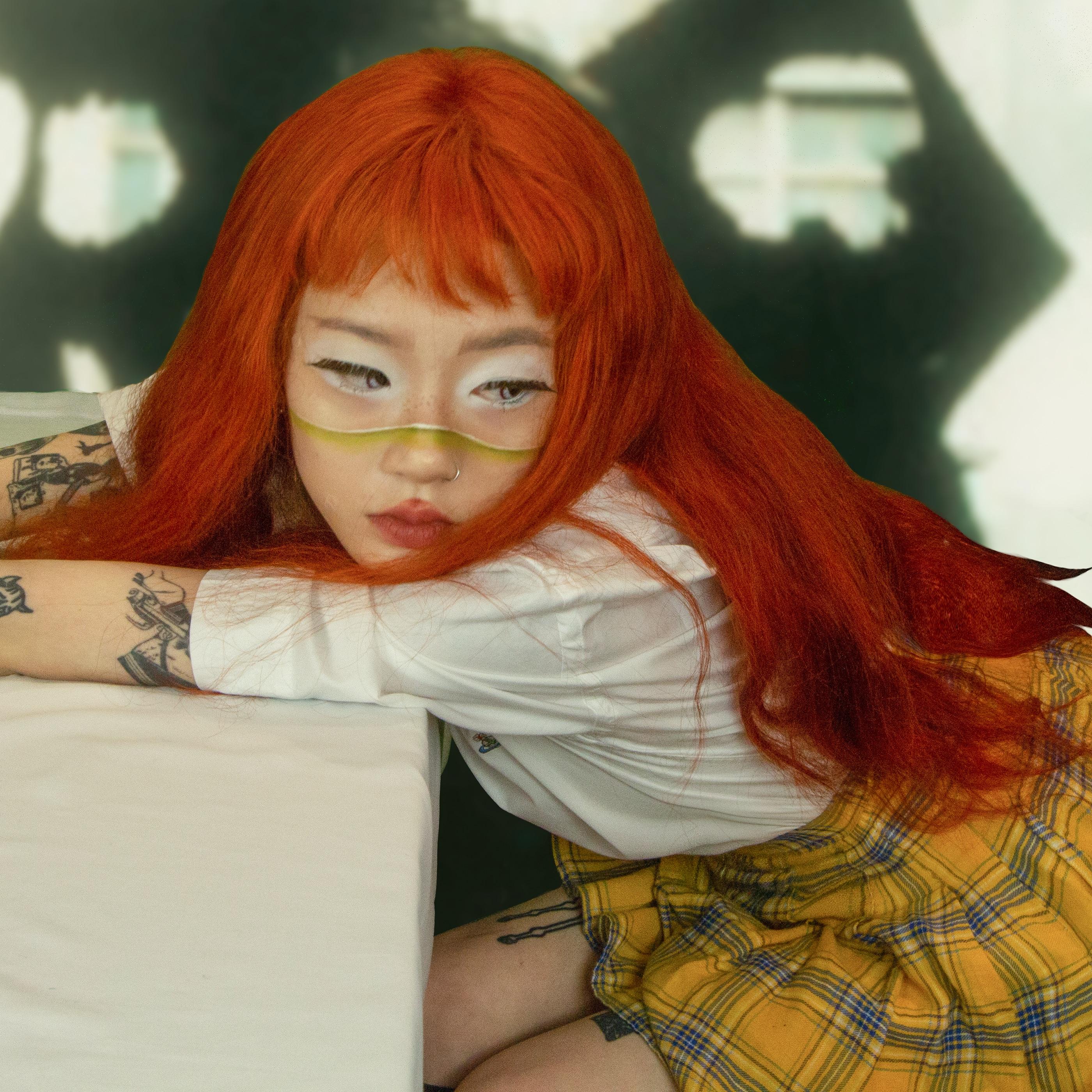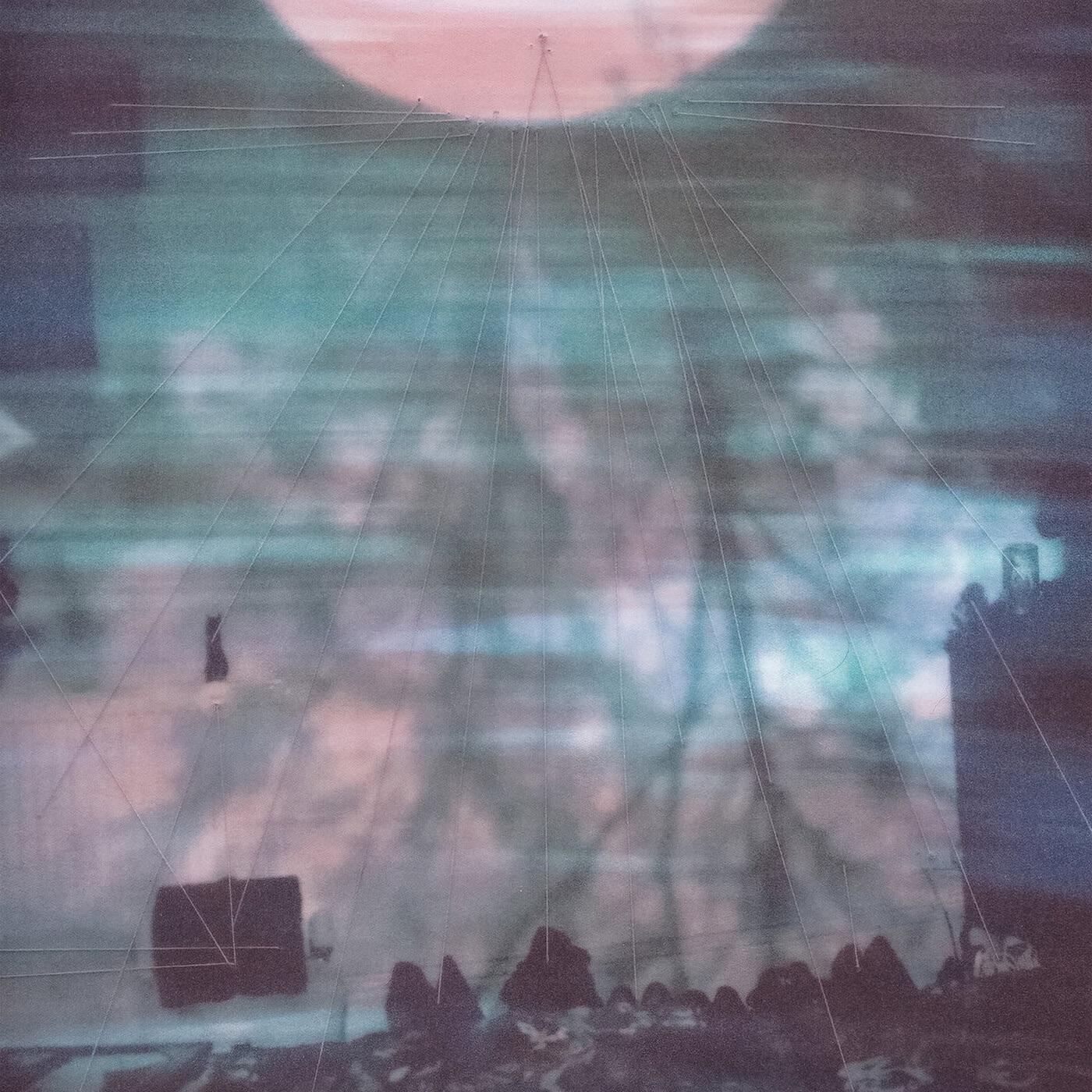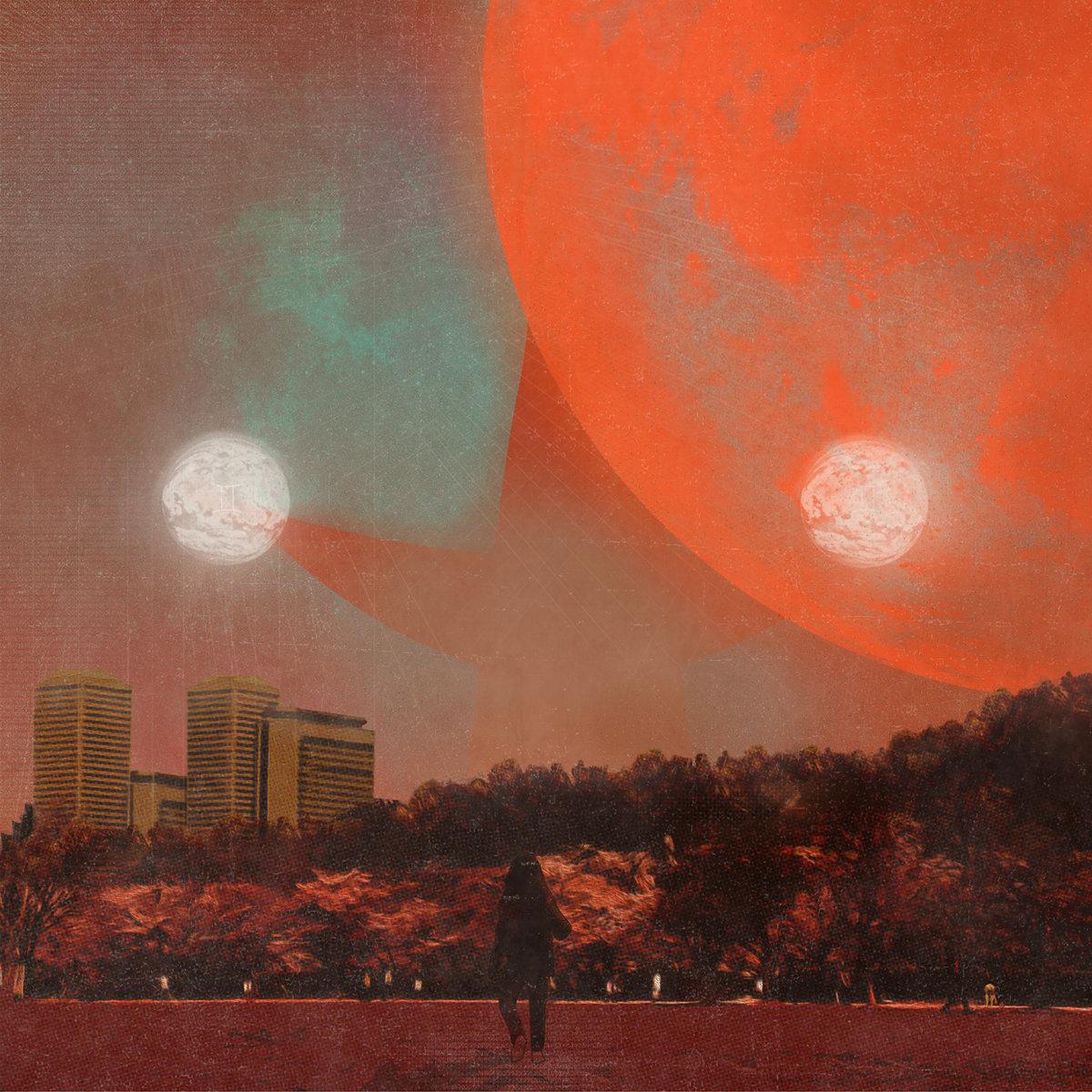
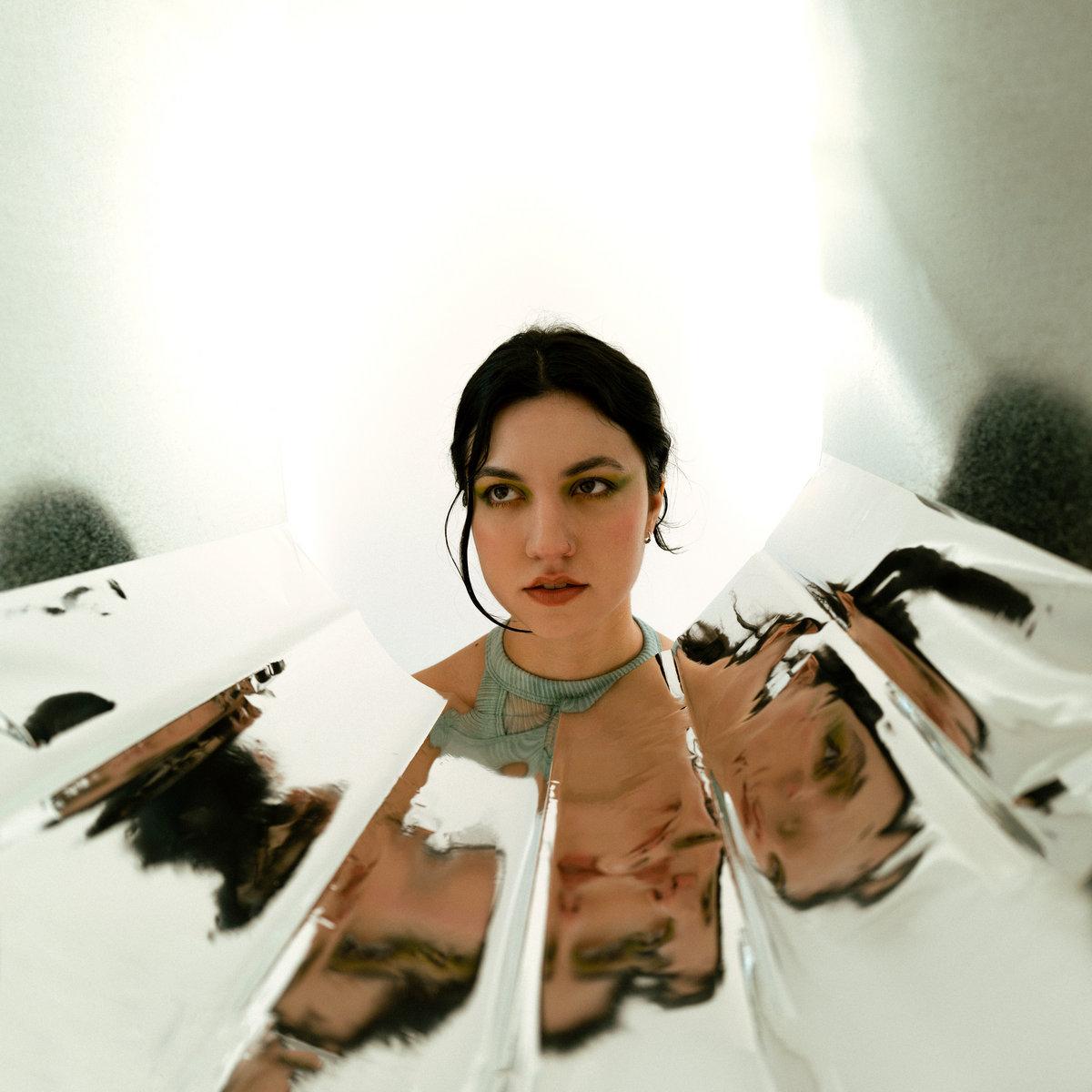
Osaka-born, New York-based pianist ERIKA DOHI releases her debut solo album I, Castorpollux via the 37d03d collective on 14 May, and it arrives as a statement of intent. Thirteen tracks collapse contemporary classical, ambient and electronics into one gripping arc, Dohi’s piano anchoring a record that roams from intimate miniatures to sprawling electro-acoustic epics—with an impressively varied cast along the way.
The record refuses to sit still, and that’s its greatest strength. Dohi treats her instrument as a point of departure rather than a destination: crystalline, classically-informed passages dissolve into processed, granular textures, whilst unhurried atmospherics shift into propulsive grooves with real bass weight and a steady four-to-the-floor pulse. The title, a wink at Thomas Mann’s The Magic Mountain and the Dioscuri twins, suits a record built on duality—every piece seems to hold two ideas in tension, notation against improvisation, the concert hall against the studio.
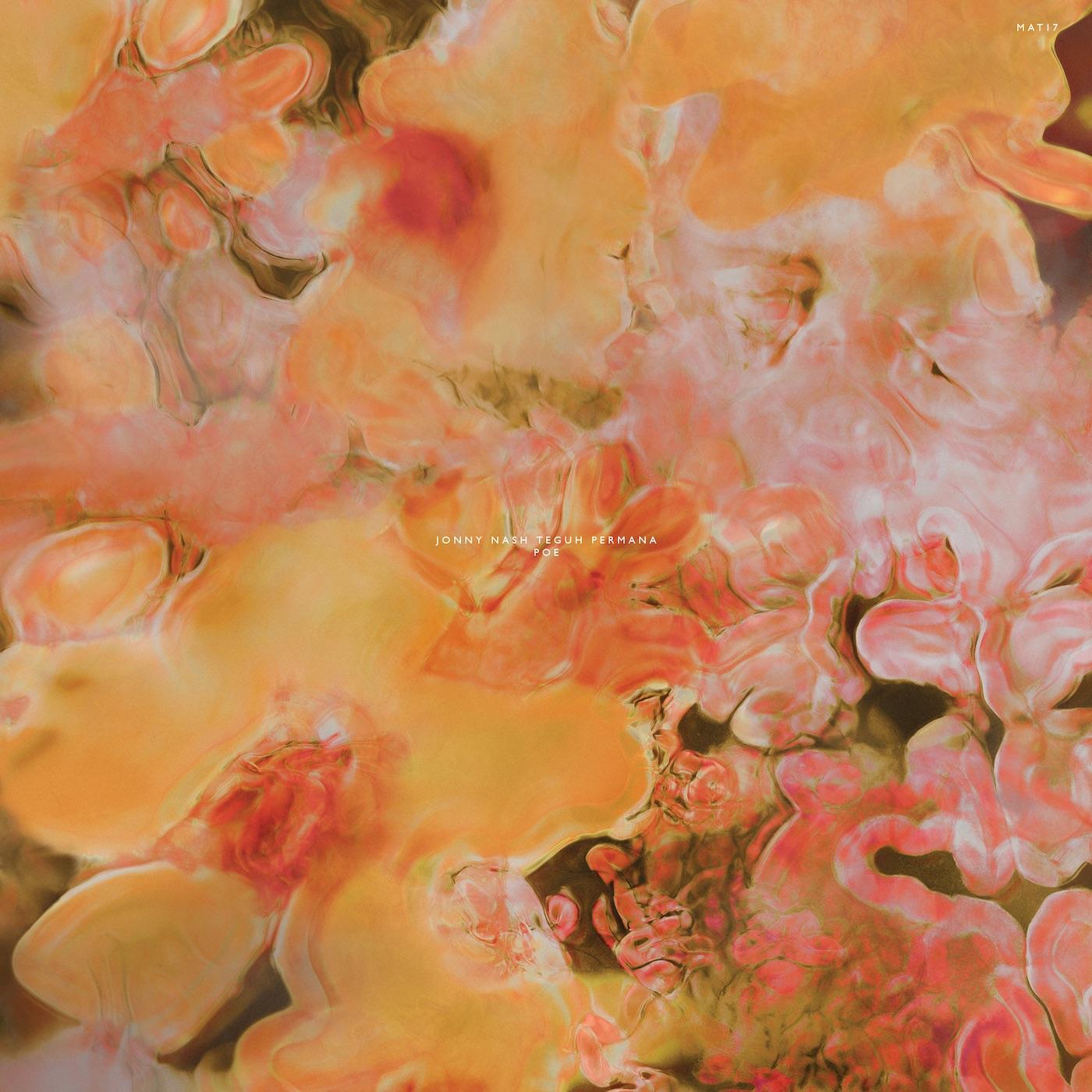
The collaborators are woven in with striking restraint. Channy Leaneagh’s voice is the record’s most human presence—soaring and drenched in reverb on Doesn’t Want/ Doesn’t Stop, hushed and intimate on Polaroid. Trumpeter Ambrose Akinmusire and saxophonist Immanuel Wilkins trade phrases over Still/ On Hold’s slow-burning arrangement, whilst Andy Akiho and William Brittelle colour PoE and the brief interlude Expo 70’ with their own unmistakable textures.
The highlights arrive in both registers. Opener Two Moons (Osaka 1995) sets out the stall with rippling piano over swelling pads before Replicant locks into a hypnotic, motorik pulse. Doesn’t Want/ Doesn’t Stop is the album’s most immediately gripping moment, Leaneagh’s vocal floating over warm bass and clipped, precise drums. Closer Dioscuri is the fullest statement: nine and a half minutes of patient build, its piano figures multiplied and distorted until the whole thing blooms into something far bigger than a solo record should allow.
I, Castorpollux is a debut of rare confidence. It understands both the discipline of the conservatoire and the freedom of the studio, and Dohi moves between them without a trace of effort. For a first solo outing, it’s remarkably assured—a portrait of an artist with plenty to say and the technique to say it entirely her own way.




![The artwork for the album Before This by Ø [Phase]](/_next/image/?url=%2F_next%2Fstatic%2Fmedia%2Fartwork.3iatcz4yanrkb.jpg&w=3840&q=75)