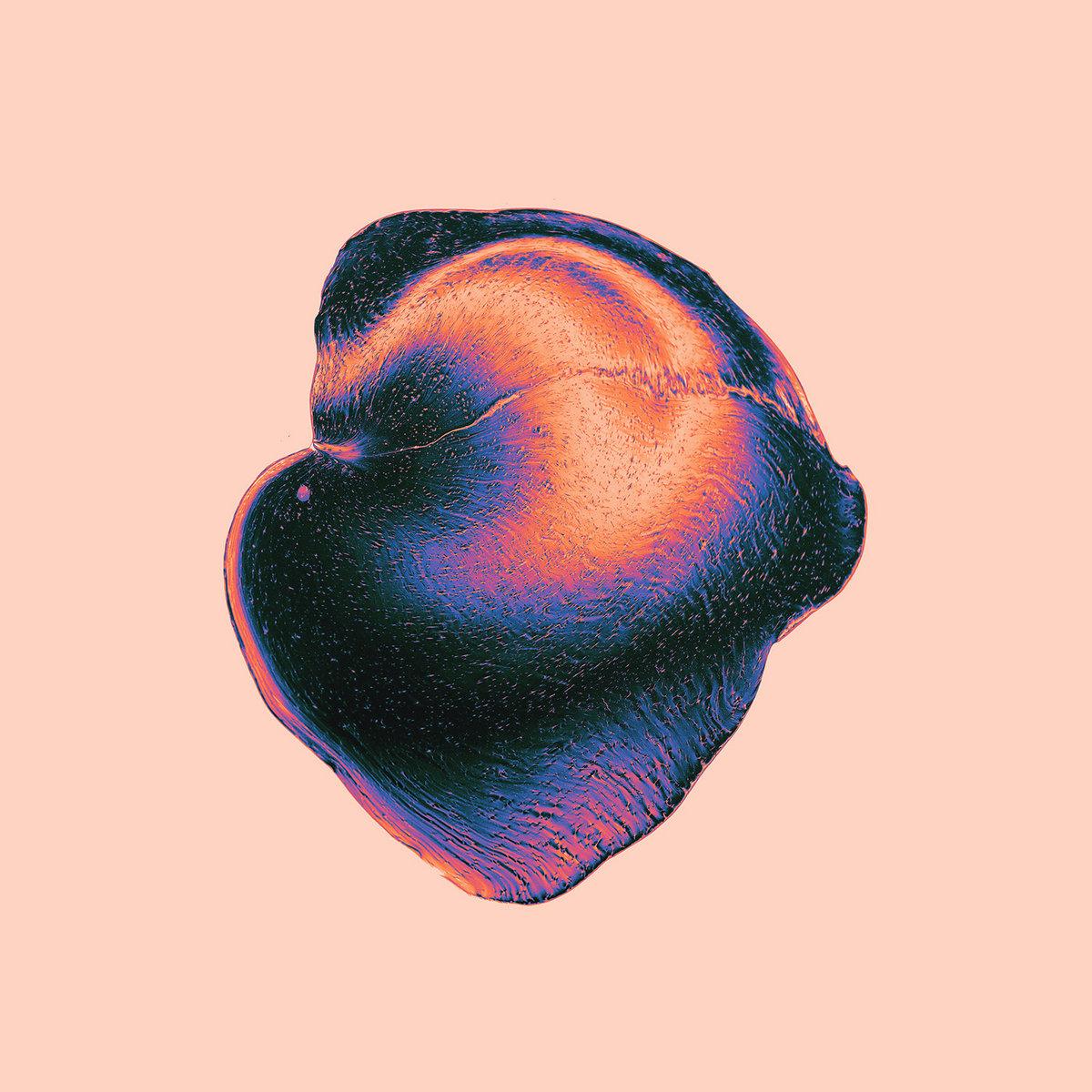
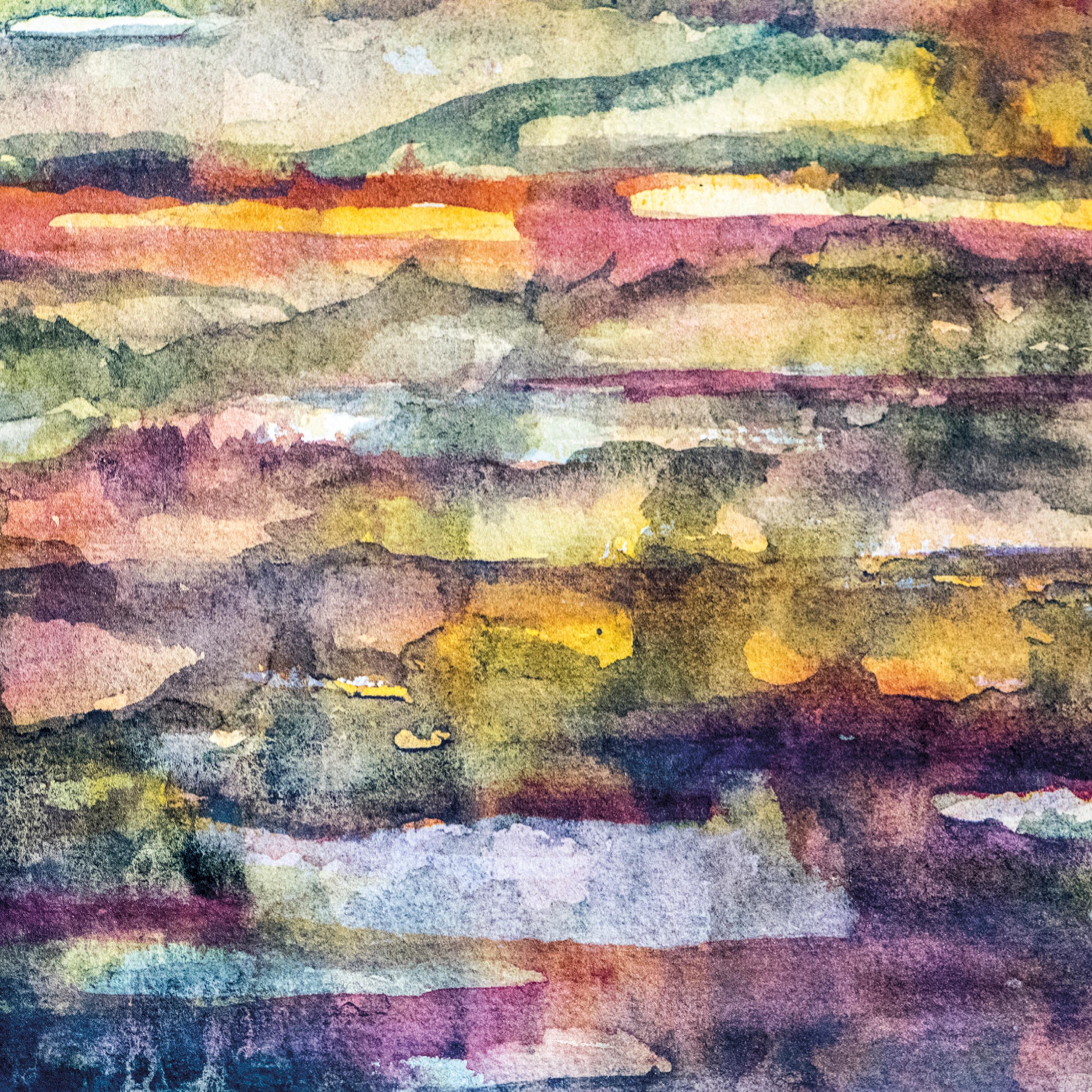
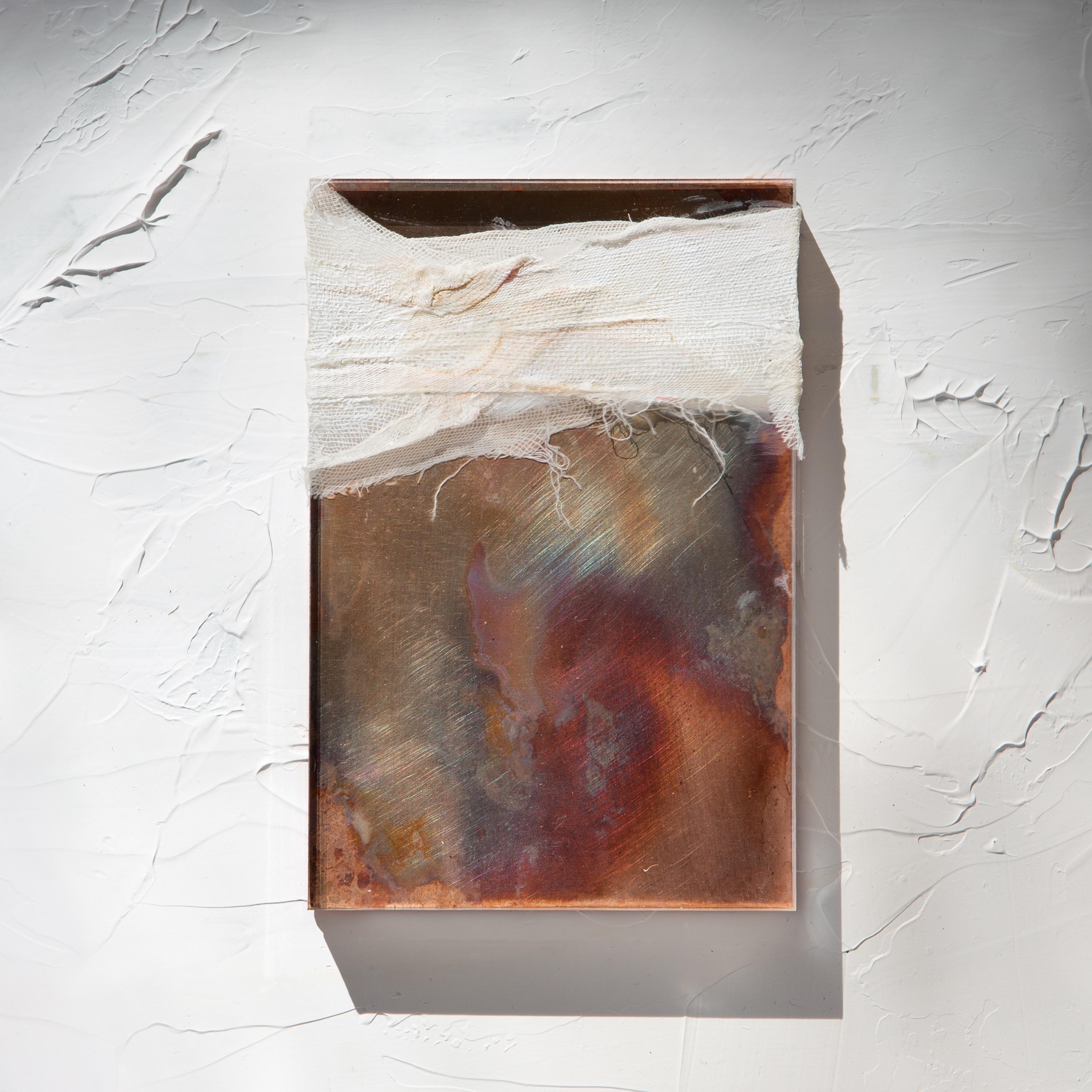
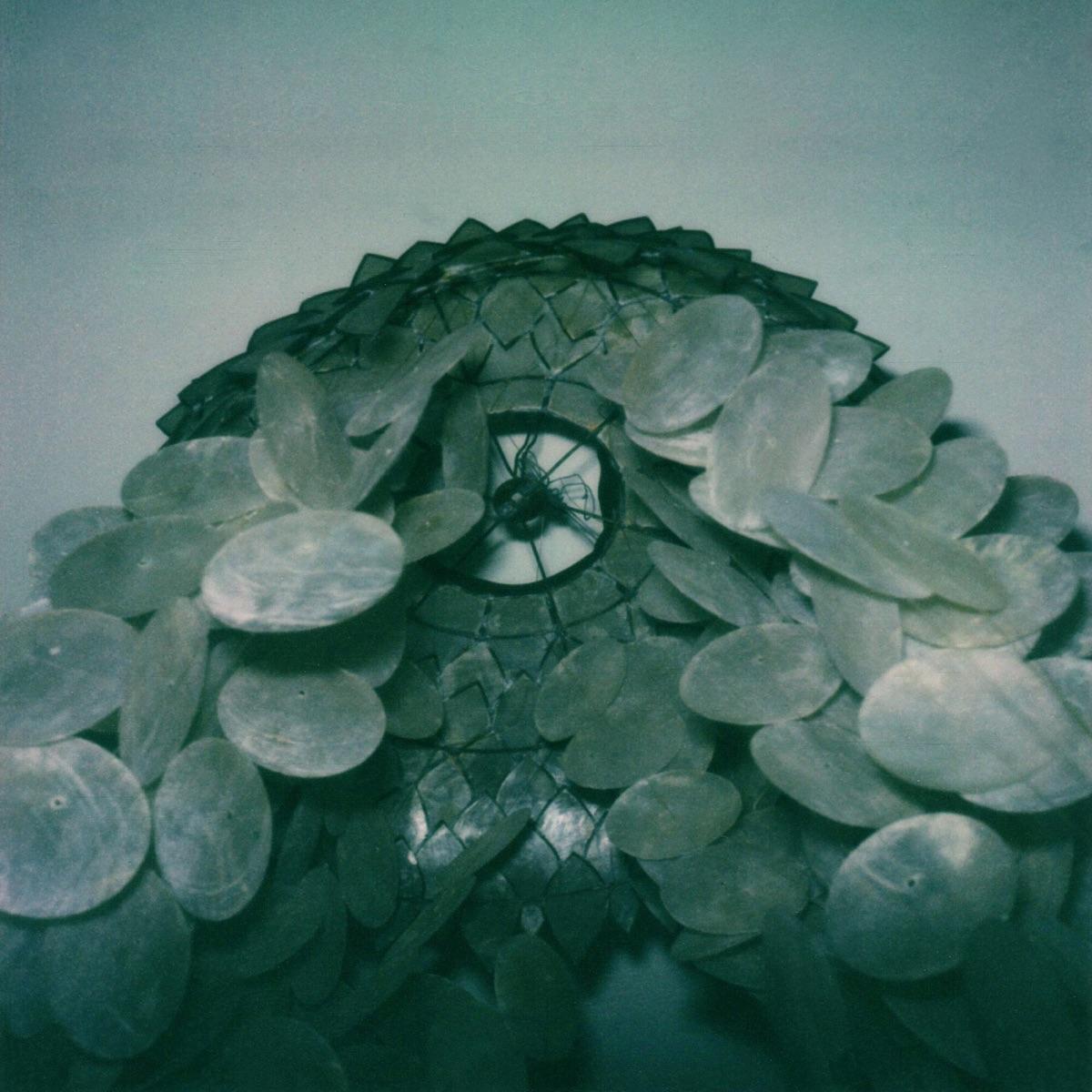
Rotterdam’s Nous’klaer Audio has built its name on heady, hardware-driven club records, so there’s something quietly surprising about Nadia Struiwigh’s second album of 2021. Pax Aurora is a nine-track ambient record, built almost entirely from analog synths, that turns its back on the dancefloor altogether. Its slow-breathing chords and tape-warm textures sit somewhere between Boards of Canada at their most melancholic and Stars of the Lid at their most patient, and it has already been named one of Bandcamp Daily’s best ambient releases of July. Yan Cook’s muted, mineral artwork suits the music’s grey-and-gold palette perfectly.
Opener -5 establishes the record’s terms immediately: a soft-edged drone, a melody that unfurls over it like smoke, and a patience with silence that feels almost sculptural. There’s no rhythm to speak of—movement comes instead from the slow migration of chords and the gentle breathing of the filters, every note left generous space to decay. The analog chain is the real star, its warmth and gentle saturation, the faint hiss of tape and circuitry, giving the whole record its physicality.
Dreaming about Rollercoasters is the most explicitly melodic cut, a half-remembered chord progression suspended in huge reverb that recalls Boards of Canada’s bittersweet nostalgia, whilst Organic introduces the subtlest sense of pulse—a bassline that breathes in long, low cycles beneath layered pads. Einaudi, whose title gestures towards the Italian composer’s minimal piano writing, renders those same gestures in analog tones, a repeated motif accruing quiet weight over its four and a half minutes.
The record’s second half drifts further into shadow. Nana builds its six minutes around a single, patient chord change, whilst NTV89 is the darkest thing here, its low-end drone and distant, detuned melody the closest Pax Aurora comes to menace. Feroit lightens the mood with airier textures before closer YOU stretches out past eight minutes, dissolving slowly into the hum of the room and leaving the listener somewhere quiet and far away.
With Pax Aurora, Struiwigh proves her fluency with hardware extends well beyond the club. Every texture is placed, every long decay allowed to finish, and its rewards are slow and cumulative. It won’t grab you on first listen; it asks to be lived with, and those who oblige will find an album of rare warmth and patience.
























![The artwork for the album Before This by Ø [Phase]](/_next/image/?url=%2F_next%2Fstatic%2Fmedia%2Fartwork.3iatcz4yanrkb.jpg&w=3840&q=75)