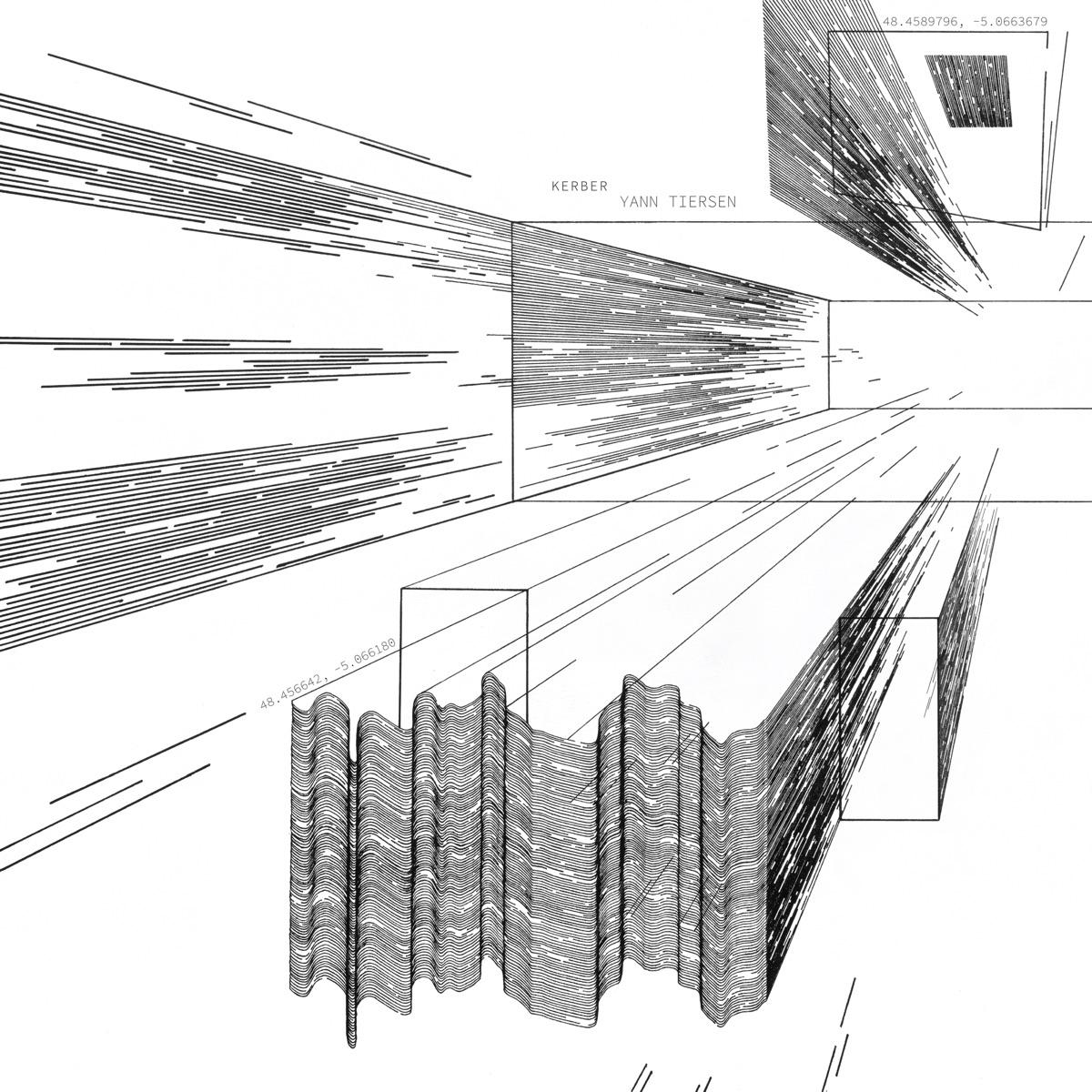
Yann Tiersen returns to Mute with Kerber, his first album since 2018’s All Shall Be Well and by some distance his most electronic-leaning record to date — seven tracks of modular synthesis and sequencer pulse, wrapped around a suite of Breton place-name titles. Recorded at the studio on the island of Ushant that gives the record its name, it finds the composer best known for the Amélie soundtrack trading his pianos and violins for something far more restless.
The concept is written into the geography. Every title — Kerlann, Ar Maner Kozh, Ker Yegu, Poull Bojer — is a Breton place name, “ker” meaning village or house, and the record plays like a survey of the wind-battered coastline surrounding his Kerber studio. Where All Shall Be Well leaned heavily on acoustic textures, these tracks are built from sequencers and analogue synths, their melodic cells looping and mutating over steady, hypnotic pulses — the sound of Tiersen composing with machines, and letting the machines push back.
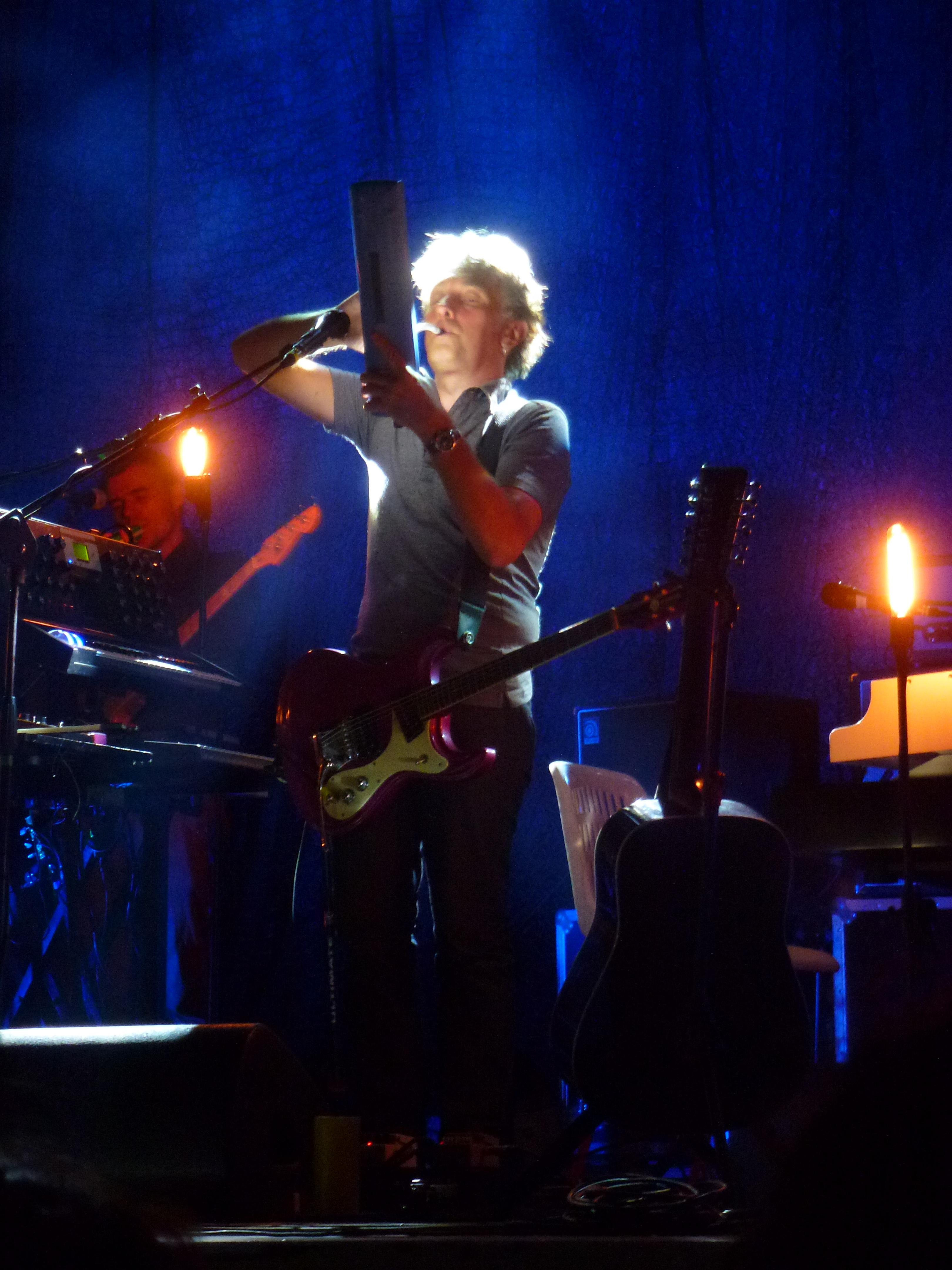
Kerber was Yann Tiersen's most electronic-leaning album to date.
Opener Kerlann sets the tone immediately: a single gleaming synth motif spirals over a patient, four-to-the-floor pulse, slowly accruing layers of reverb-drenched percussion until the whole thing feels like a sea fret rolling inland. Ar Maner Kozh — “the old manor” — is softer and more melancholic, its slow, chordal wash and distant bass recalling the romanticism of his earlier work, while Kerdrall tightens the screws with clipped, driving sequences that belong firmly on the floor.
The ten-minute title track Kerber is the centrepiece, and it earns every second. A minimal sequencer groove is left to breathe for minutes at a stretch, the tension built through slow-filtered pads and the patient return of a soaring lead that never quite resolves — pure, unhurried catharsis. Ker al Loch offers the record’s most propulsive moment, all stabbing synth and locked-in rhythm, before closer Poull Bojer eases things back out to sea with a gentle, almost pastoral close.
Kerber is a record of real restraint: the basslines are deep but never dominant, the drums steady but never frantic, and Tiersen’s melodic gift — that unmistakable ache in his chord choices — remains intact beneath all the wiring. It’s the sound of an artist rediscovering his instruments in mid-career, and the results are quietly thrilling — his most electronic record to date, and one of his most alive.





















![The artwork for the album Before This by Ø [Phase]](/_next/image/?url=%2F_next%2Fstatic%2Fmedia%2Fartwork.3iatcz4yanrkb.jpg&w=3840&q=75)