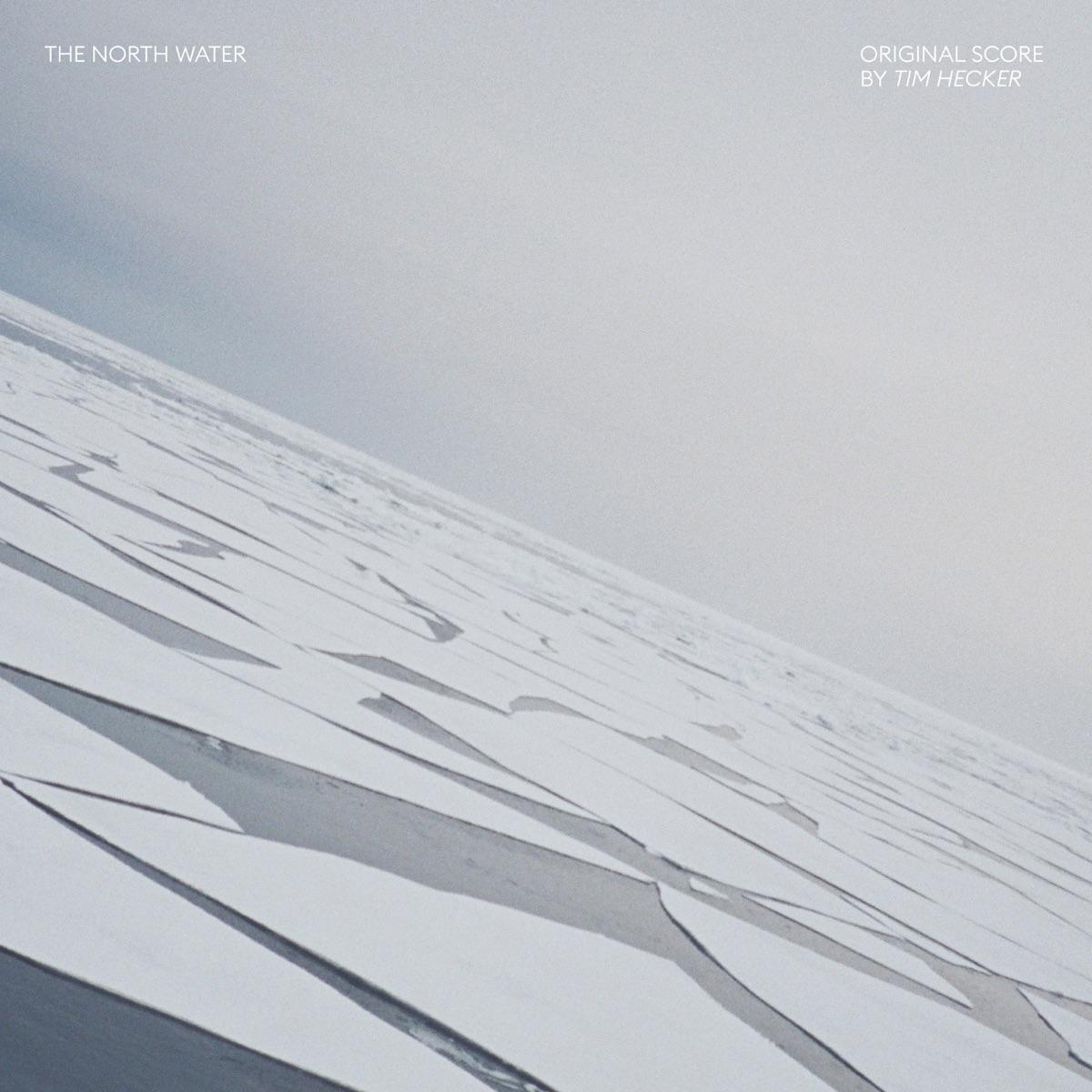
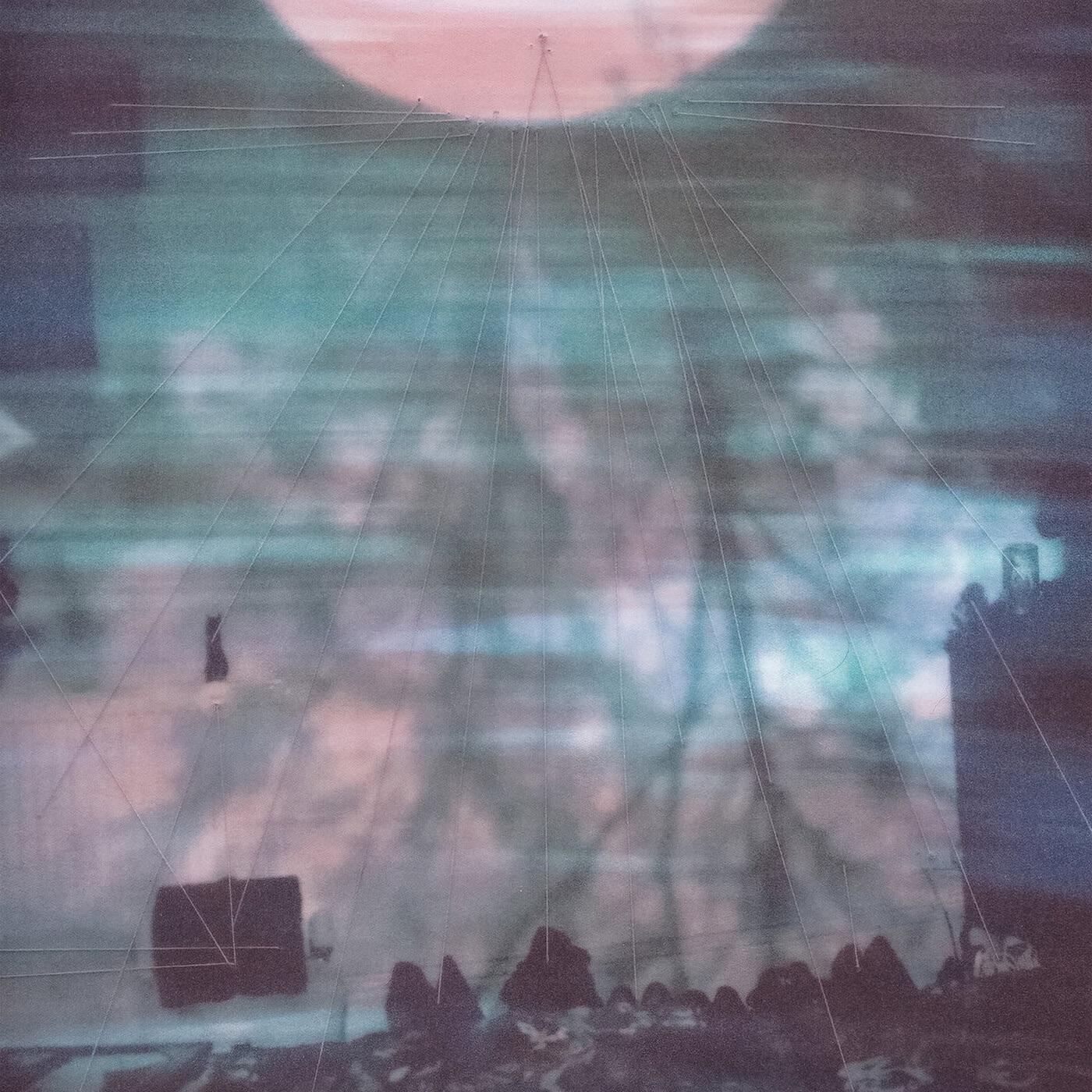
Tim Hecker has spent two decades making records that feel like landscapes — vast, inhospitable, slowly eroding under their own weight. The North Water marks a first for the Montreal producer: his debut film score, composed for the BBC and AMC’s Arctic whaling drama of the same name and released through Invada Records, the label run by Portishead’s Geoff Barrow. It’s a natural fit — Andrew Haigh’s series is a study in cold, and Hecker’s music has always had a cold front running through it.
Set aboard a doomed 19th-century whaling expedition, the series is unflinching in its brutality, and the score matches it without ever reaching for conventional horror cues. Instead of strings doing the dramatic heavy lifting, Hecker deploys the language he’s spent his career refining: glacier-slow organ drones, corroded tape hiss, and pads that sound as though they’re being played by the wind. The effect is less accompaniment than atmosphere — the score behaves like weather, pressing in from all sides.
The album’s brief cues make it the most concise Hecker record in years. Seasick opens the set with a deep, shuddering drone that bobs like the hull of the ship in the series’ title; Our First Whale swells into something approaching majesty, a rare warm pocket in the storm; Left On The Ice is as desolate as its name suggests, little more than a frozen chord held until it cracks.
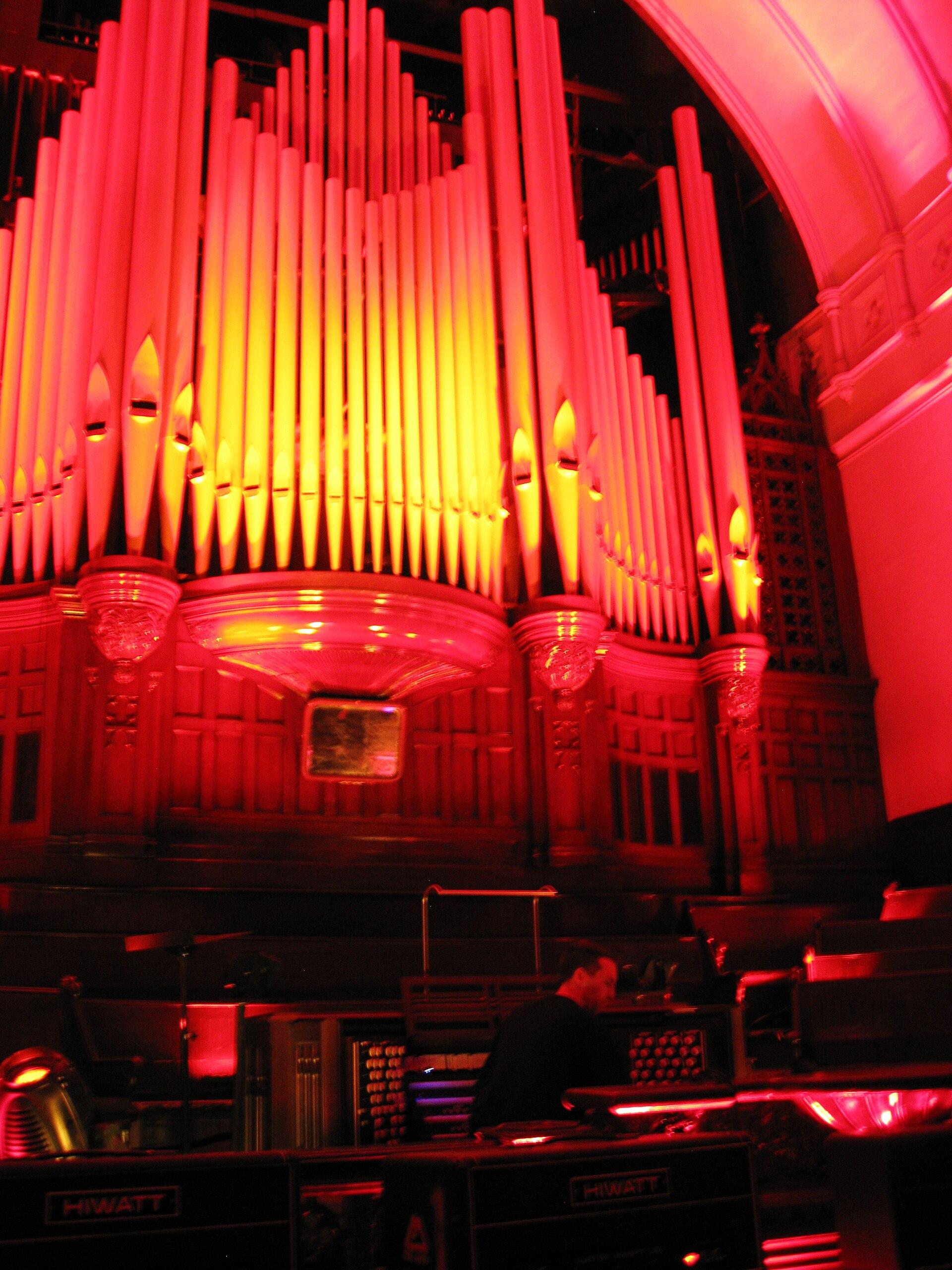
The North Water was Tim Hecker's first film score.
There are moments where Hecker’s familiar gestures — the detuned organs of Virgins, the granular clouds of Ravedeath, 2001 — surface in compressed form, and they land harder for the context. The Warmth Of Drax hums with a low, human warmth that feels almost out of place among the ice, while the closing pair of Twinkle In The Wasteland and Starting Over Again fade the score out on a note of fragile, hard-won hope.
The North Water is a film score first and a Tim Hecker record second, and that’s precisely why it works. Freed from the expectations of a solo album, he lets the drone do the storytelling, and the result is one of the most quietly devastating soundtracks of the year — proof that his music has been cinematic all along.









![The artwork for the album Before This by Ø [Phase]](/_next/image/?url=%2F_next%2Fstatic%2Fmedia%2Fartwork.3iatcz4yanrkb.jpg&w=3840&q=75)