Clark has spent two decades warping electronic textures into strange, beautiful shapes on Warp, but Playground In A Lake — his ninth album and his first for Deutsche Grammophon — is a leap into rarefied air. The self-taught producer taught himself to read and write notation over five years, drafting every part by hand before handing the scores to an orchestra. That it exists is remarkable; that it sounds so unforced is more so.
Conceived as an “extinction myth”, the record meditates on loss at the scale of species — what dies, what is remembered, what the Anthropocene leaves behind. Opening track Lovelock swells briefly, a nod to the scientist who named the Gaia hypothesis, before Lambent Rag twists a ragtime figure into something ghostly and out of joint. The electronics are ever-present, but they behave like weather here, drifting through the strings rather than battering against them.
The arrangements — orchestrated by Tom Hodge and performed by the Budapest Art Orchestra and Scoring Berlin — are the record’s quiet triumph: rippling piano, teeming woodwind and vast, slow chordal shifts given room to breathe. Cellist Oliver Coates and double bassist Yair Elazar Glotman thread human warmth through the ensemble, whilst Clark’s fingerprints — prepared-piano clatter, tape hiss, the odd granular scrape — surface like details in a landscape painting.
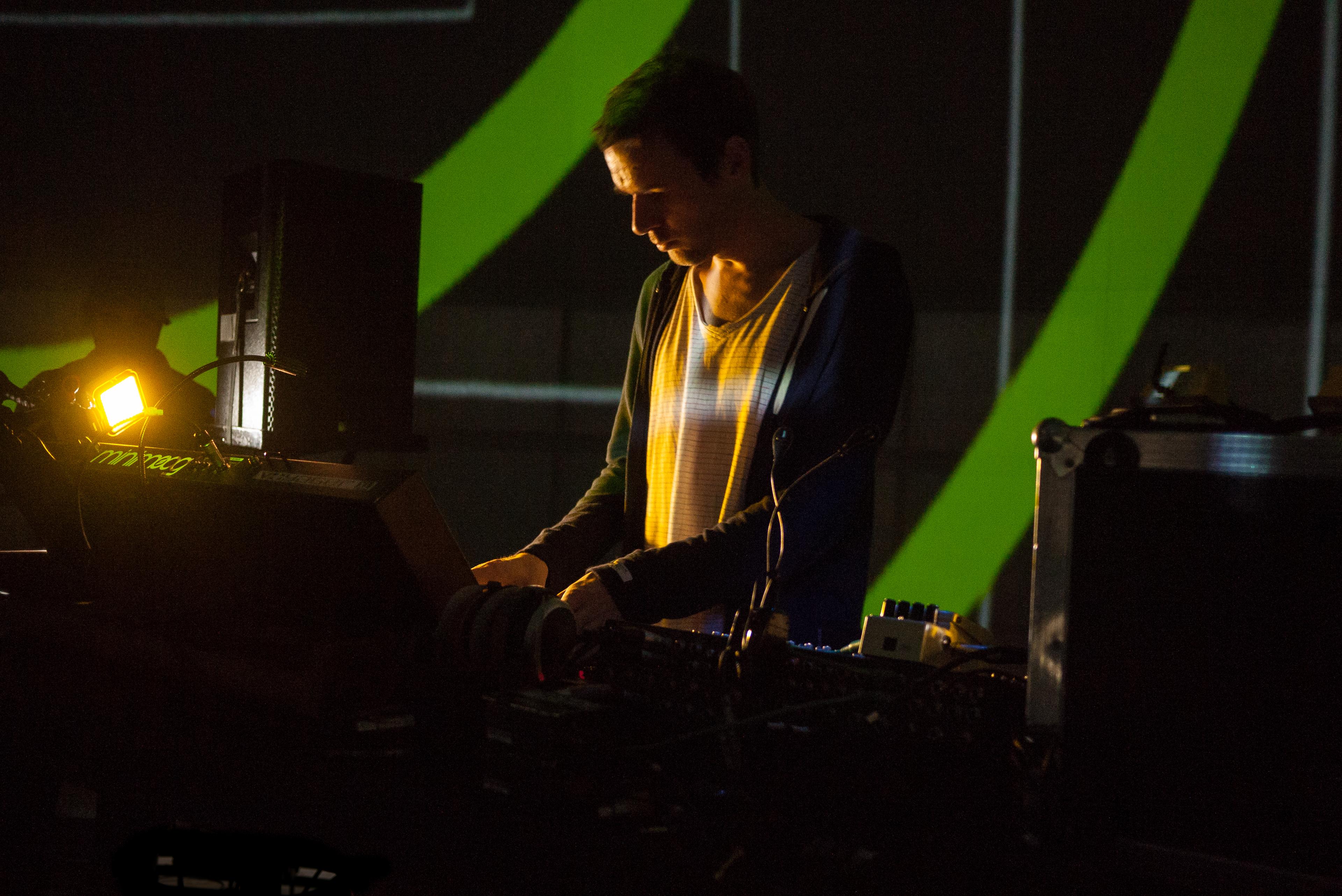
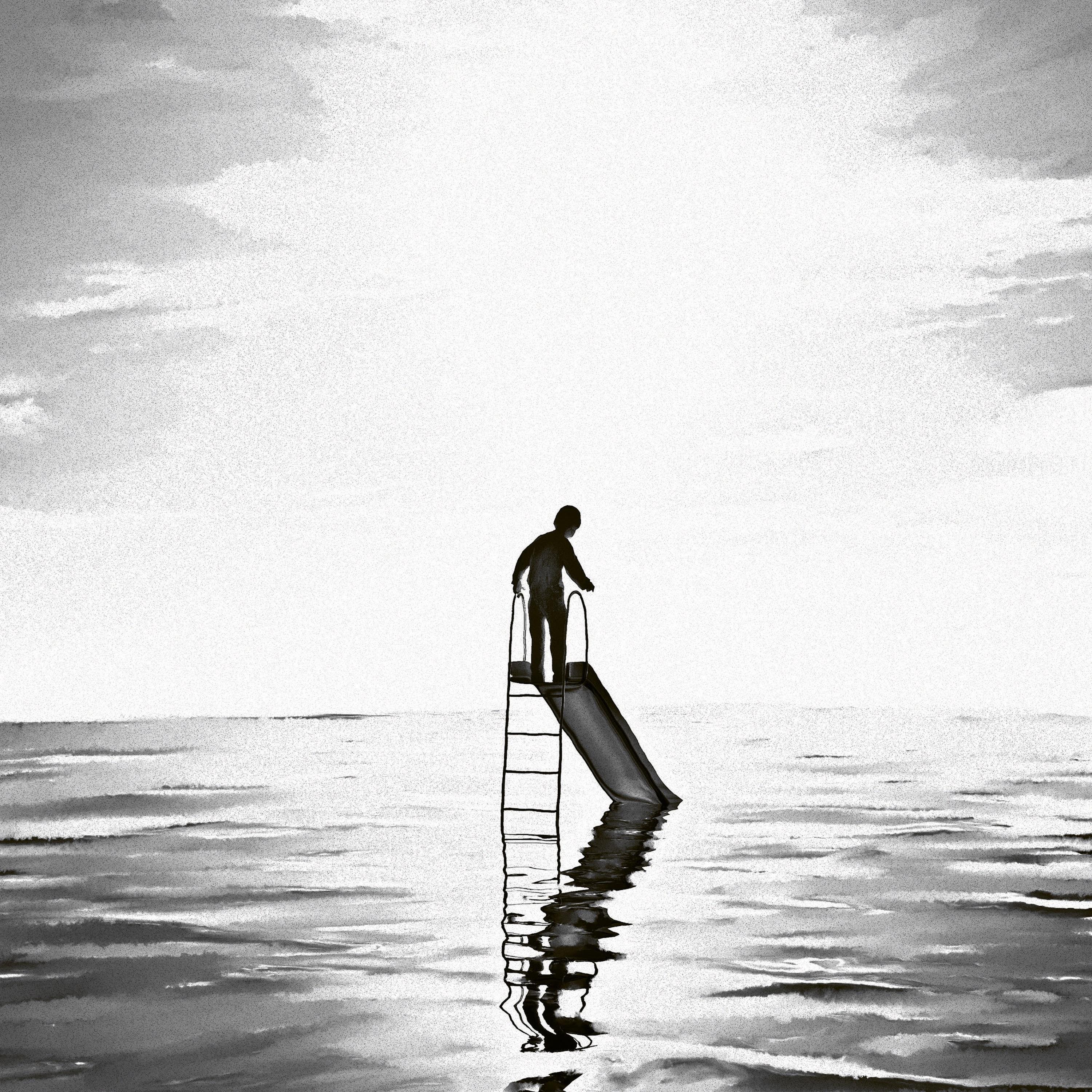
Playground In A Lake was Clark's first album for Deutsche Grammophon.
Highlights arrive with embarrassing regularity. Forever Chemicals is a bittersweet piano elegy that swells into a gorgeous, wordless chorus, whilst Entropy Polychord sets rapid-fire pizzicato against a brooding low-end pulse, the two locked in uneasy conversation. Earth Systems is the record in miniature — four minutes of luminous strings slowly overtaken by fog. And Shut You Down is the most urgent moment here, its four-to-the-floor kick anchoring a claustrophobic, almost pop-shaped refrain.
Then the closer, Life Outro: ten and a half minutes of Coates’ cello singing over sparse electronics and field recordings — a long exhale after all that tension. Patient, mournful and quietly ecstatic, it makes the case for the whole enterprise: electronic instinct and orchestral craft in the same breath.
Playground In A Lake is no electronic producer slumming it with an orchestra; it’s a genuine meeting of minds. Clark’s willingness to learn a new language in mid-career is the record’s real subject, and the results are as moving as anything in his catalogue. A bold, beautiful extinction myth, told from the inside.





































![The artwork for the album Before This by Ø [Phase]](/_next/image/?url=%2F_next%2Fstatic%2Fmedia%2Fartwork.3iatcz4yanrkb.jpg&w=3840&q=75)