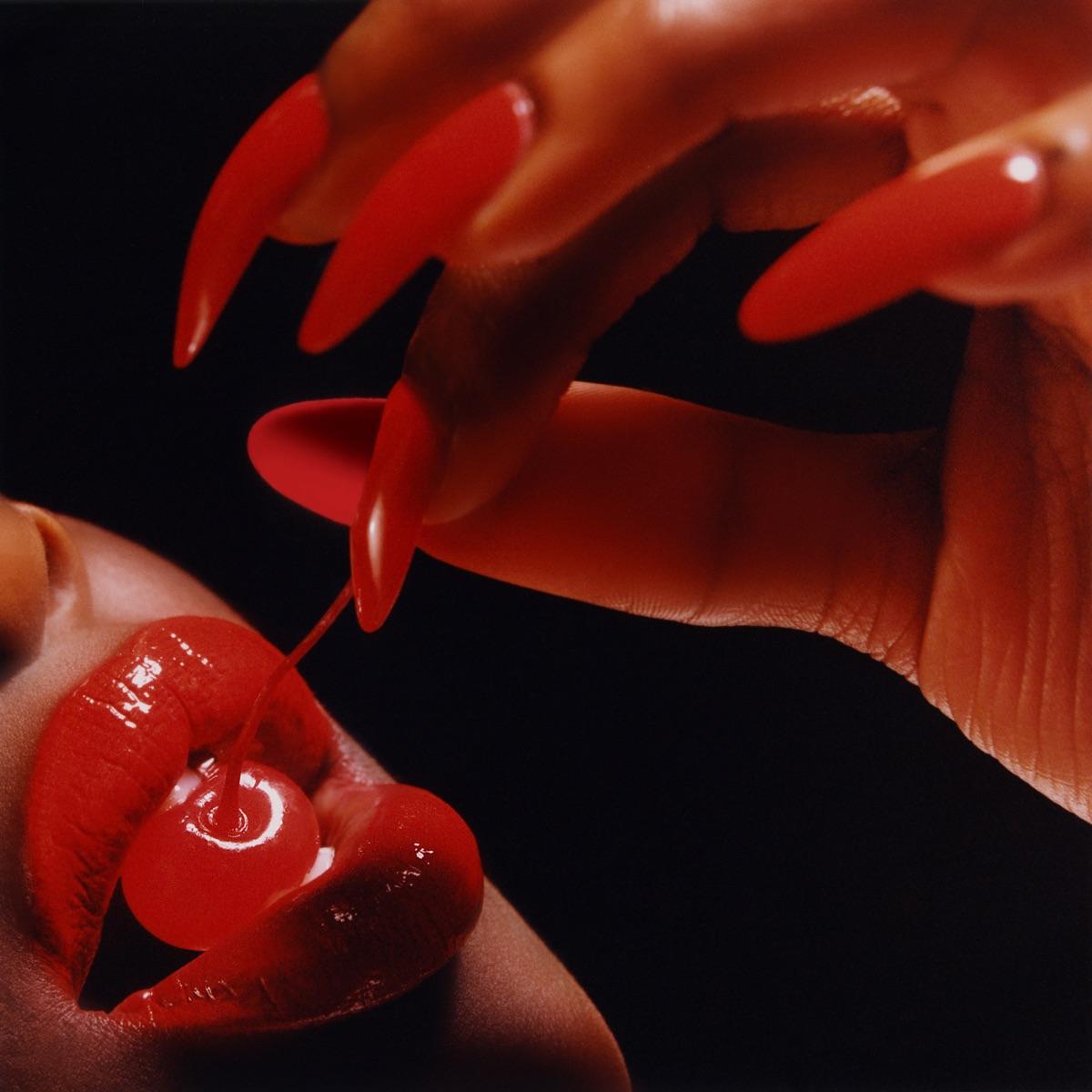
New Orleans artist Dawn Richard — best known for her time in R&B supergroup Danity Kane, and for the fiercely independent solo records she released throughout the 2010s — makes her debut for indie powerhouse Merge Records with Second Line. Produced alongside Ila Orbis, the album finds her flirting with house, footwork and pop all at once, the whole thing wrapped around a series of candid interviews with her mother. It is, by some distance, her most complete statement yet.
The record is built on a joyfully physical pulse. Where Richard’s earlier work leaned on dense, futuristic R&B, Second Line lets the drums breathe: footwork rhythms stutter and glide beneath gospel-rooted vocals, four-to-the-floor kicks anchor the straight-up house cuts, and the entire record is shot through with the brass-band exuberance of the New Orleans second-line tradition that gives it its name. It’s soul music reimagined with a dancer’s hips — body music first, cerebral second, and none the worse for it.
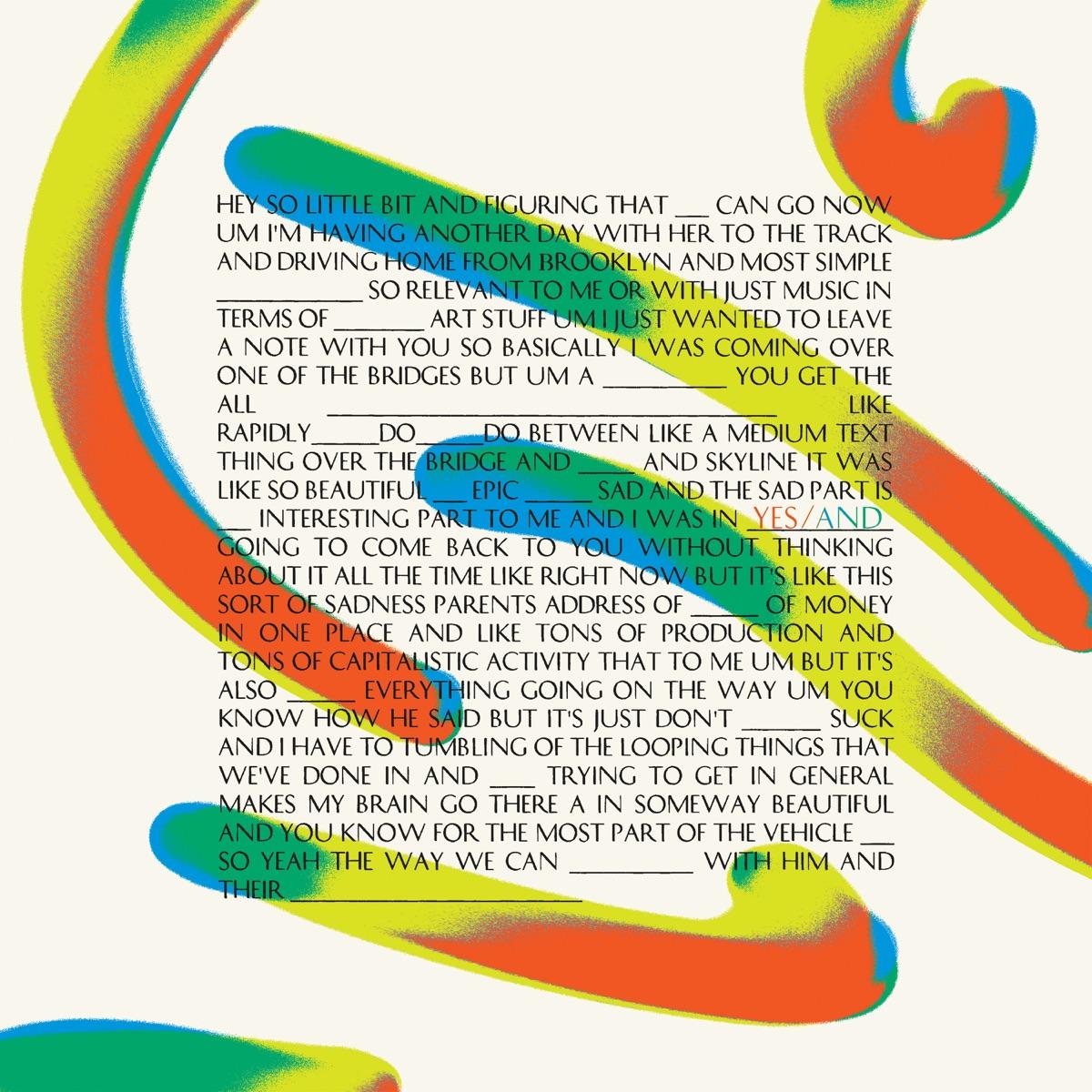
Threading through it all is a conversation between Richard and her mother, caught on tape and woven into the tracklist. The spoken interludes — Pilot (a lude), FiveOhFour (a lude) (a nod to the city’s 504 area code), Voodoo (Intermission) — punctuate the euphoria like breath between verses, grounding the club-ready highs in something tender and specific. It gives the record the texture of a family archive, and the affection in those exchanges is genuinely moving.

Second Line was Dawn Richard's debut for Merge Records.
The highlights arrive thick and fast. Lead single Bussifame pairs a stuttering, footwork-driven groove with a colossal vocal hook and is destined to be a festival moment; Nostalgia is pure, sun-warmed house with a bassline that rolls for days. The centrepiece, however, is Mornin | Streetlights, a six-and-a-half-minute slow-burner that builds from sparse keys and whispered vocals into a full-throated, gospel-tinged climax. Closer SELFish (Outro) stretches its seven minutes into a patient, spacious meditation, her voice left hanging over a minimal groove — a quiet triumph of restraint.
It takes nerve to hand your major-label debut over to footwork and house, but Second Line never sounds like a gamble. Richard’s voice — huge, agile, unmistakably hers — carries every experiment, and the production’s warmth means even the most club-focused moments feel personal. Merge have clearly found a singular talent; this is the record where she finally lets herself have fun, and it’s irresistible.








































![The artwork for the album Before This by Ø [Phase]](/_next/image/?url=%2F_next%2Fstatic%2Fmedia%2Fartwork.3iatcz4yanrkb.jpg&w=3840&q=75)