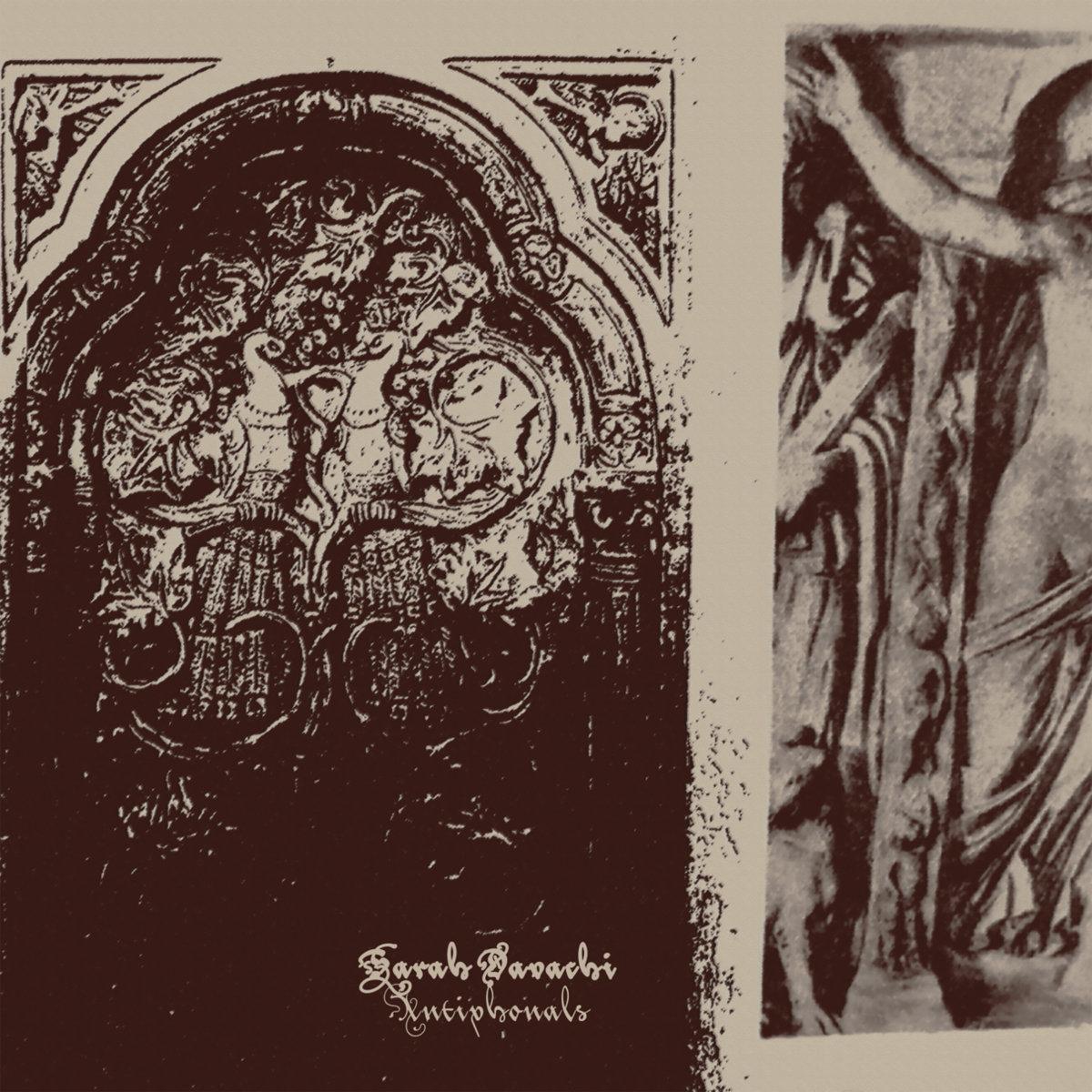
Sarah Davachi has spent the past decade patiently mapping the borderlands between electronic music and the conservatory, but Antiphonals feels like the record she has been working towards all along. Released on her own Late Music imprint, it’s her most orchestral statement yet — eight long-form studies for Mellotron, pipe organ and harpsichord, recorded entirely alone at Alms Vert studio in Los Angeles during the strange, suspended year of 2020. Where previous records leant on single instruments, this one spreads its palette wide, and the shift suits her.
The album’s centrepiece is Magdalena, a ten-and-a-half-minute meditation that opens on gently detuned Mellotron flutes and slowly accumulates weight until the organ swells beneath it like a tide coming in. Nothing rushes; chords are given whole minutes to bloom, and the occasional scrape of mechanism — a tape hiss, a key released with a thud — keeps the piece human in a way that pure synthesis never quite manages. It’s the electroacoustic character of the record, the sense of real rooms and real reeds and real breath, that sets it apart.
That physicality is everywhere. The harpsichord figures of First Cadence ring with the sharpness of hammers on strings, while Chorus Scene and Gradual of Image feel almost liturgical, organ chords suspended in vast cathedral reverb until the harmonic motion feels like ritual rather than composition. Closer Doubled Flutes rounds things off in just over two minutes with a simple, doubled melody that evaporates before you can quite hold it.
Abeyant, Border of Mind and Rushes Recede occupy the record’s quieter middle distance — slowly-shifting drones where the instruments blur into one another, organ and Mellotron indistinguishable at the edges. It’s music that demands patience but rewards it generously, the kind of listening where the room you’re in slowly falls away.
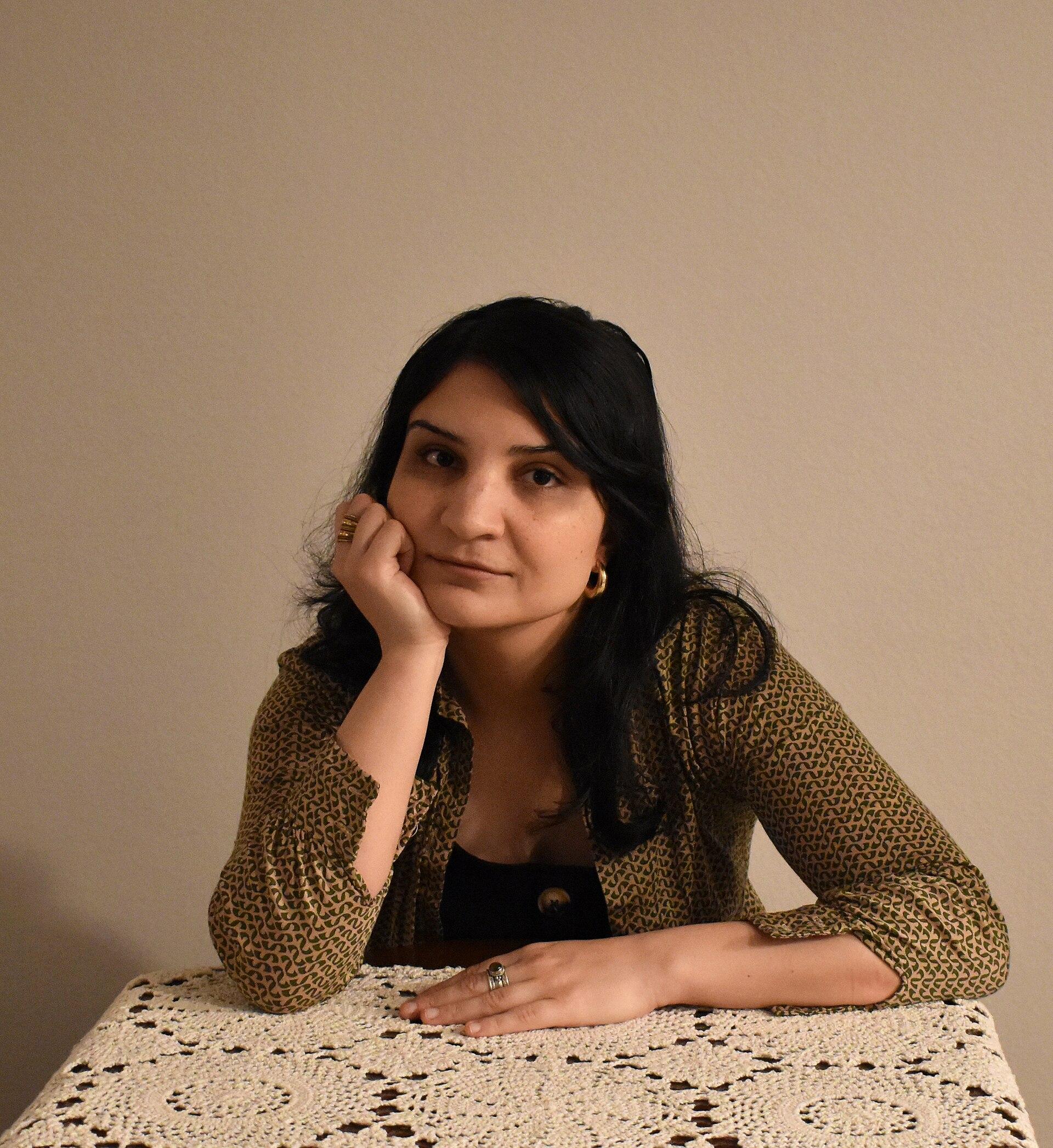
Antiphonals was Sarah Davachi's most orchestral statement yet.
Antiphonals is a record of rare patience, and one of the most complete statements in Davachi’s catalogue. It doesn’t reach for drama — instead it sits still, lets its instruments speak in their own time, and trusts the listener to meet it halfway. In a year when so much ambient music was made to be ignored, this is music made to be lived inside.



![The artwork for the album Before This by Ø [Phase]](/_next/image/?url=%2F_next%2Fstatic%2Fmedia%2Fartwork.3iatcz4yanrkb.jpg&w=3840&q=75)