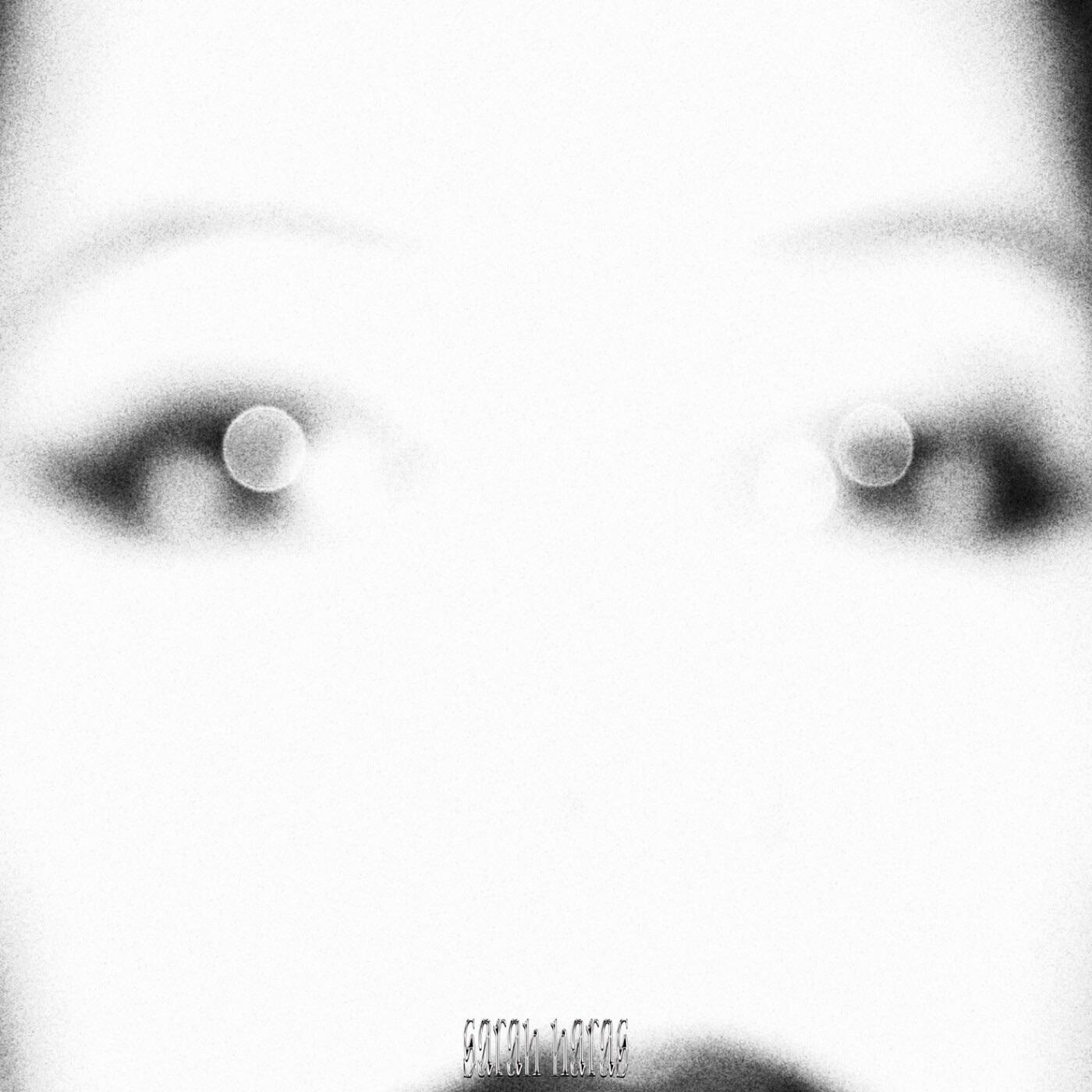
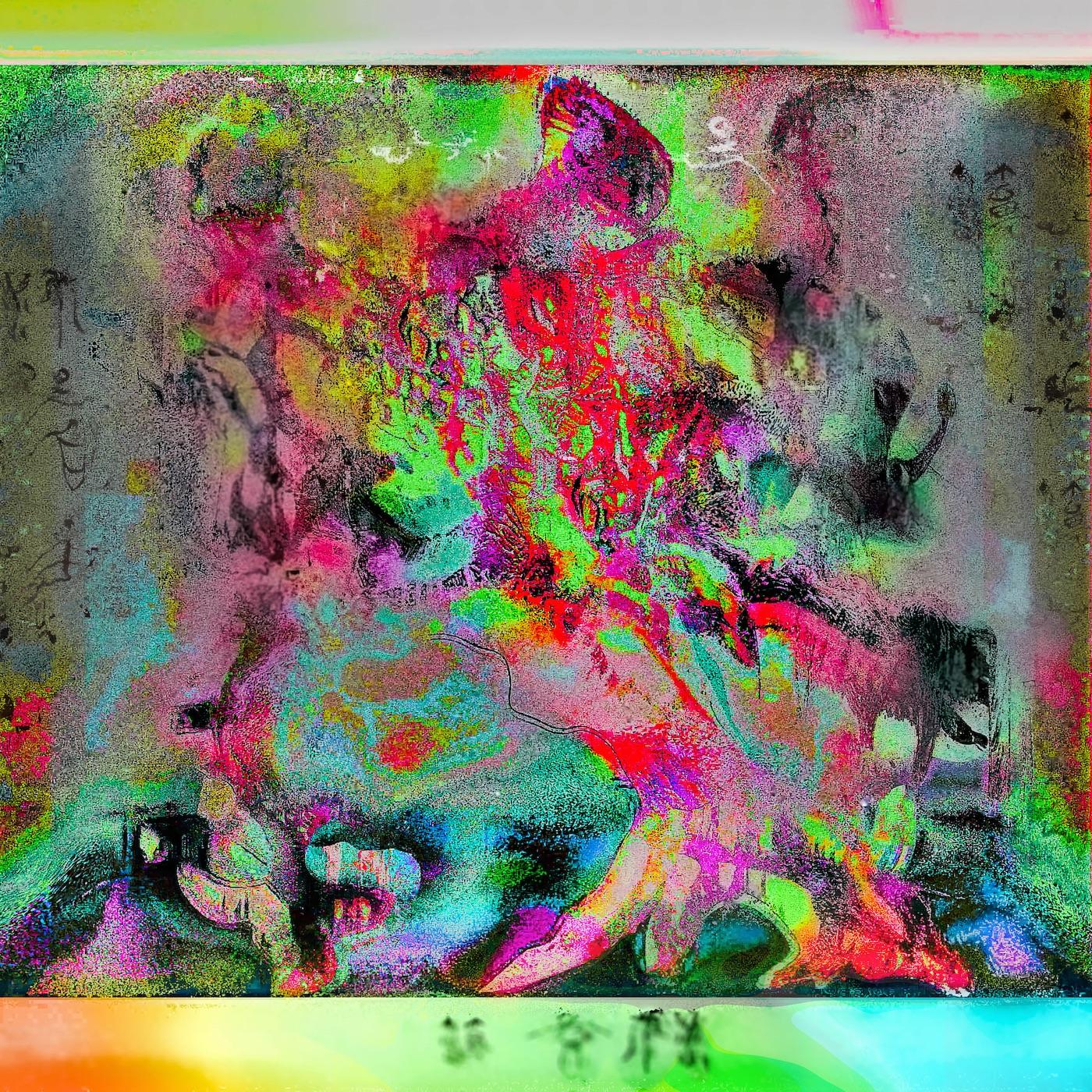
Bahraini experimentalist Sarah Haras sits somewhere between the fringes of Arab electronic music and the international noise underground, and her new album Mirage — released on the CHINABOT label and previewed by Resident Advisor ahead of its arrival — is her most complete statement yet. Across ten tracks she folds Khaleeji folk, drone, noise and musique concrète into a visceral portrait of the Bahraini landscape and the lived experience of Arab women: a record that feels simultaneously ancient, contemporary and utterly unplaceable.
The album establishes its terms quickly. After the brief, blurred field-recording of Mobile, Sahra unfolds over five patient minutes of scraping textures and tolling tones, all soaked in reverb and recorded with the air left in. Haras’ voice — half-sung, half-spoken, processed until it is barely human — becomes the record’s central instrument, a thread of Khaleeji folk melody straining against walls of distortion. The title track Mirage pulls the focus back into a shimmering, dubby drift, its bass notes hanging in the haze like heat over tarmac.
Karisma is the queasiest highlight, its wobbly synth line and boxy percussion suggesting a wedding band playing in a haunted room, while Mutated Samri — the title a knowing nod to the traditional Bedouin dance music of the Gulf — takes that rhythmic heritage and pulls it gleefully out of shape, syncopation stuttering and reforming across four taut minutes. Euphoria is the most propulsive moment, a lurching kick anchoring five minutes of escalating turbulence before collapsing back into the murk.
The closing stretch is where the album’s heart sits. Flood gathers buried voices and weightless sub-bass into something approaching catharsis, and Smallest Child ends things in near-silence — a fragile, devastating four minutes of voice and breath that feels like a door finally closing. Throughout, Mta Bnroo7 and Wish That I show the restraint that makes the record’s louder gestures land: quiet, homesick interludes that give the noise somewhere to go.
Mirage is not an easy record, and it does not pretend to be. It asks for patience and rewards it with a singular, unflinching vision — folk tradition refracted through noise rather than smoothed by it. That Haras makes such a personal geography feel this universal is the real achievement; this is essential listening for anyone who believes Arab experimentalism has more to offer than it has yet shown.








![The artwork for the album Before This by Ø [Phase]](/_next/image/?url=%2F_next%2Fstatic%2Fmedia%2Fartwork.3iatcz4yanrkb.jpg&w=3840&q=75)