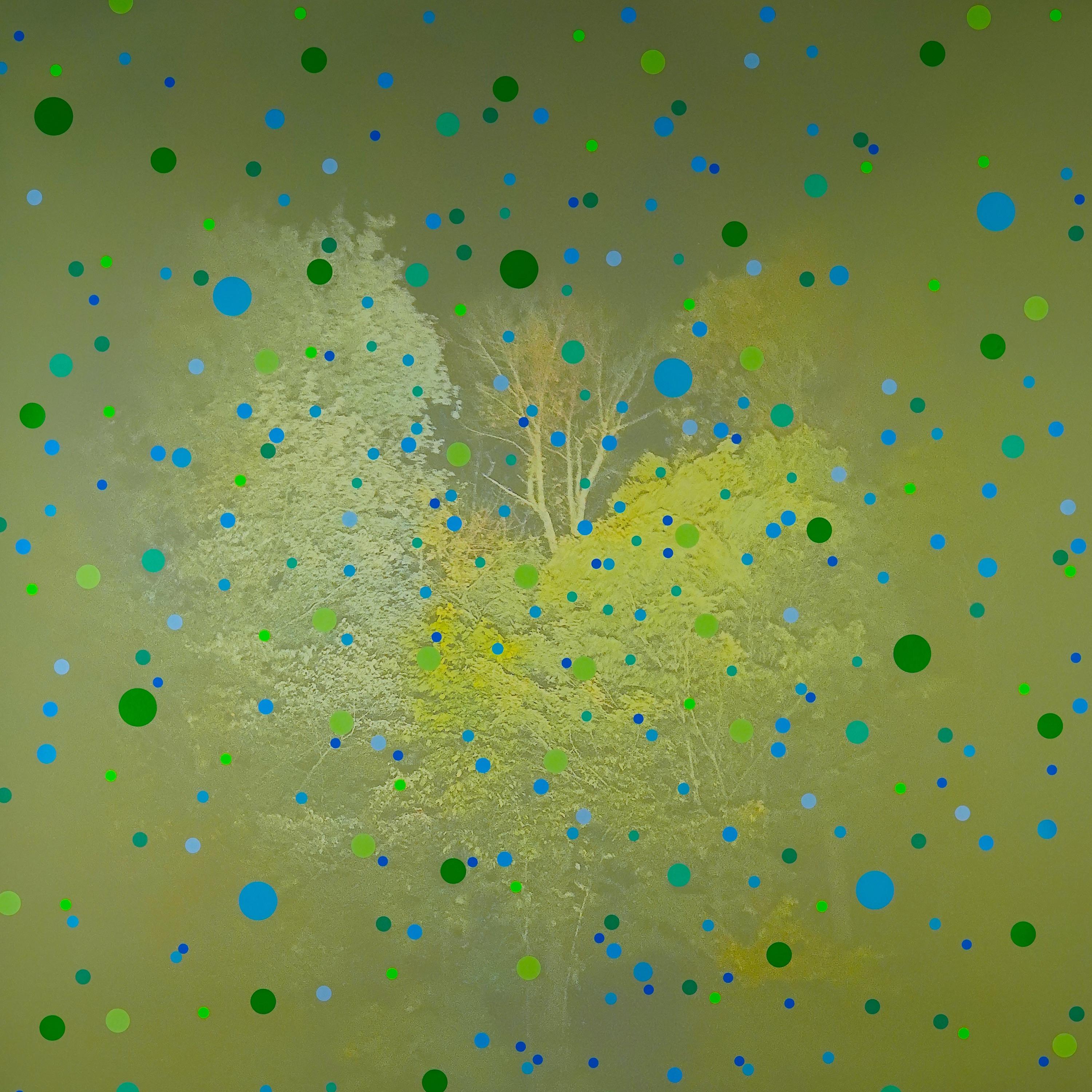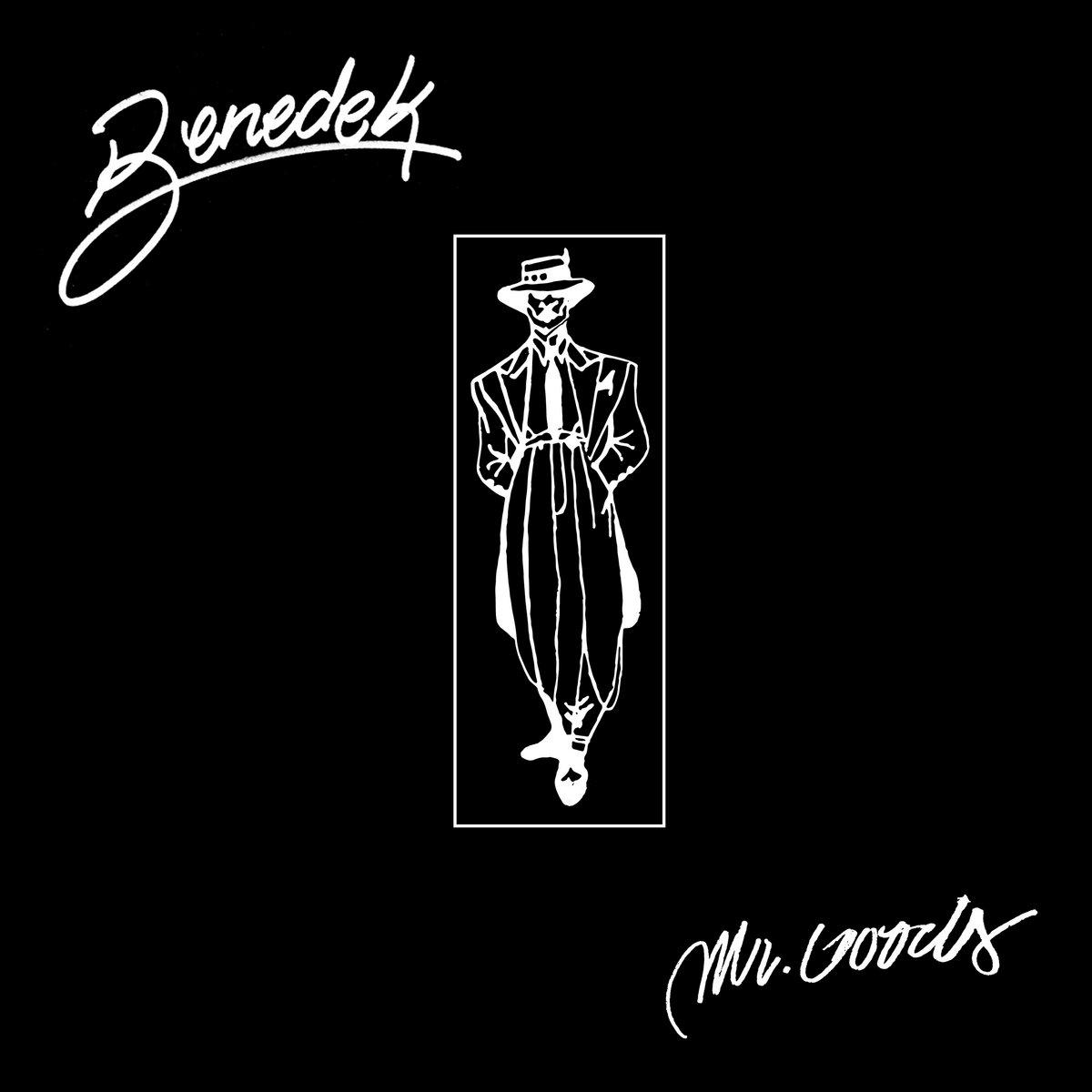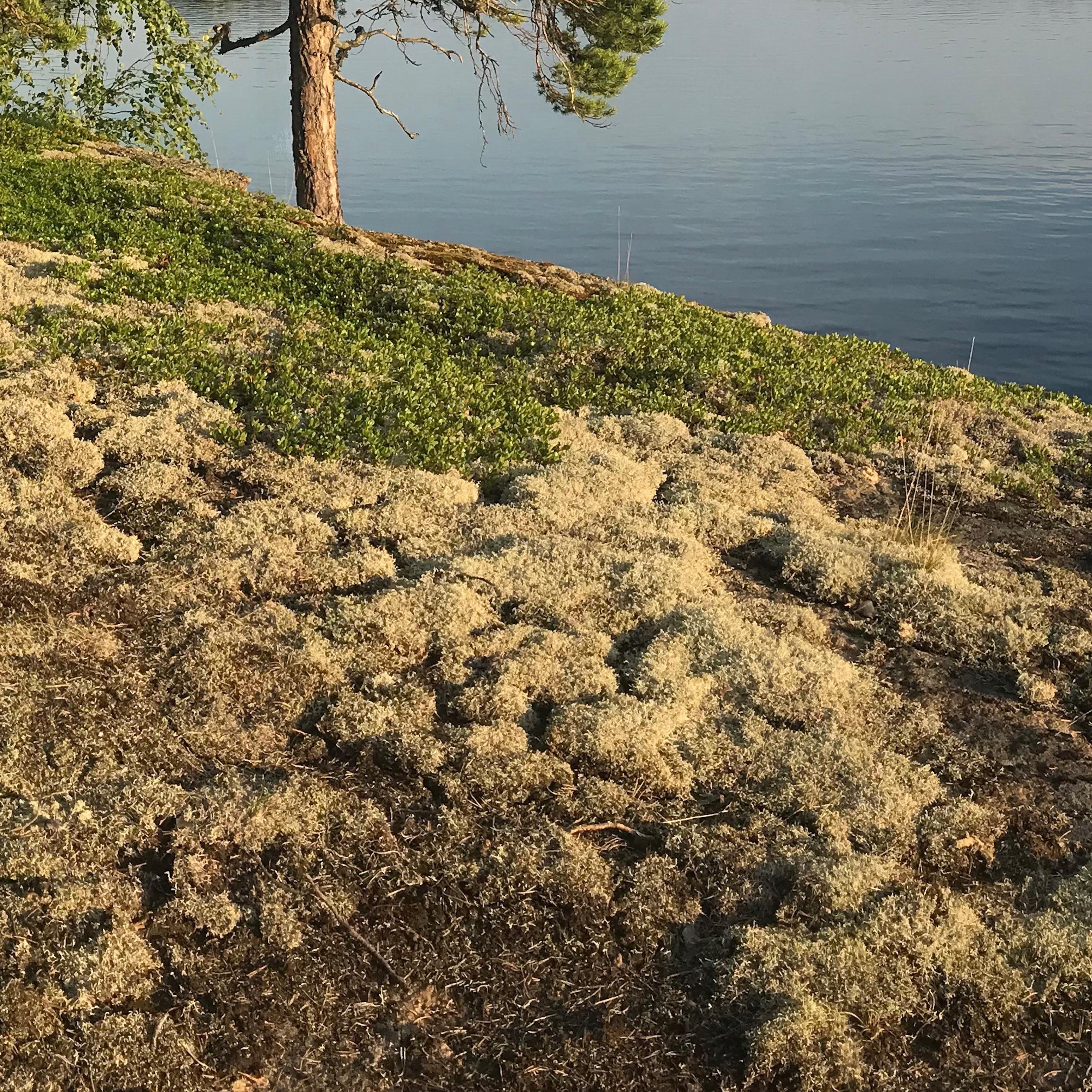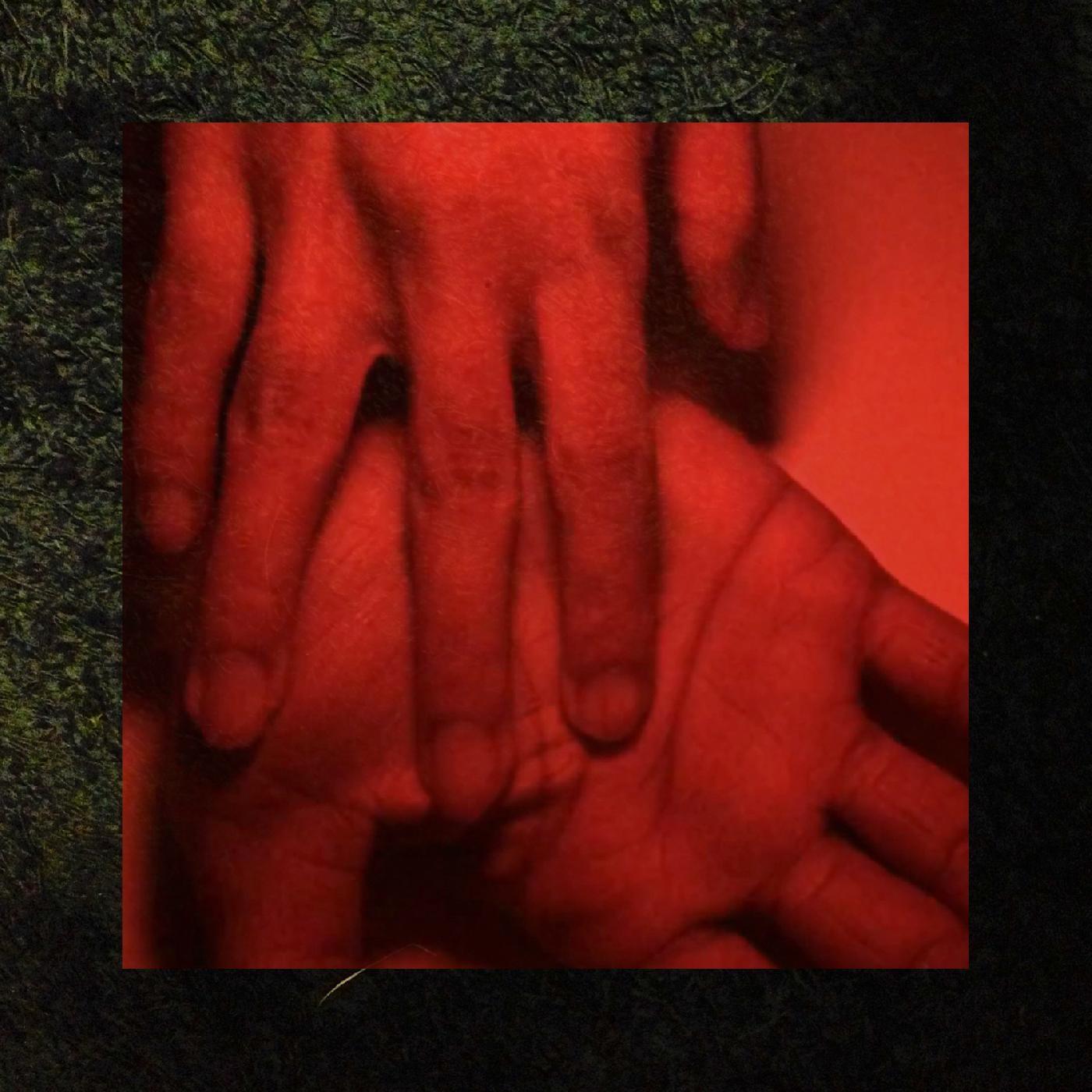
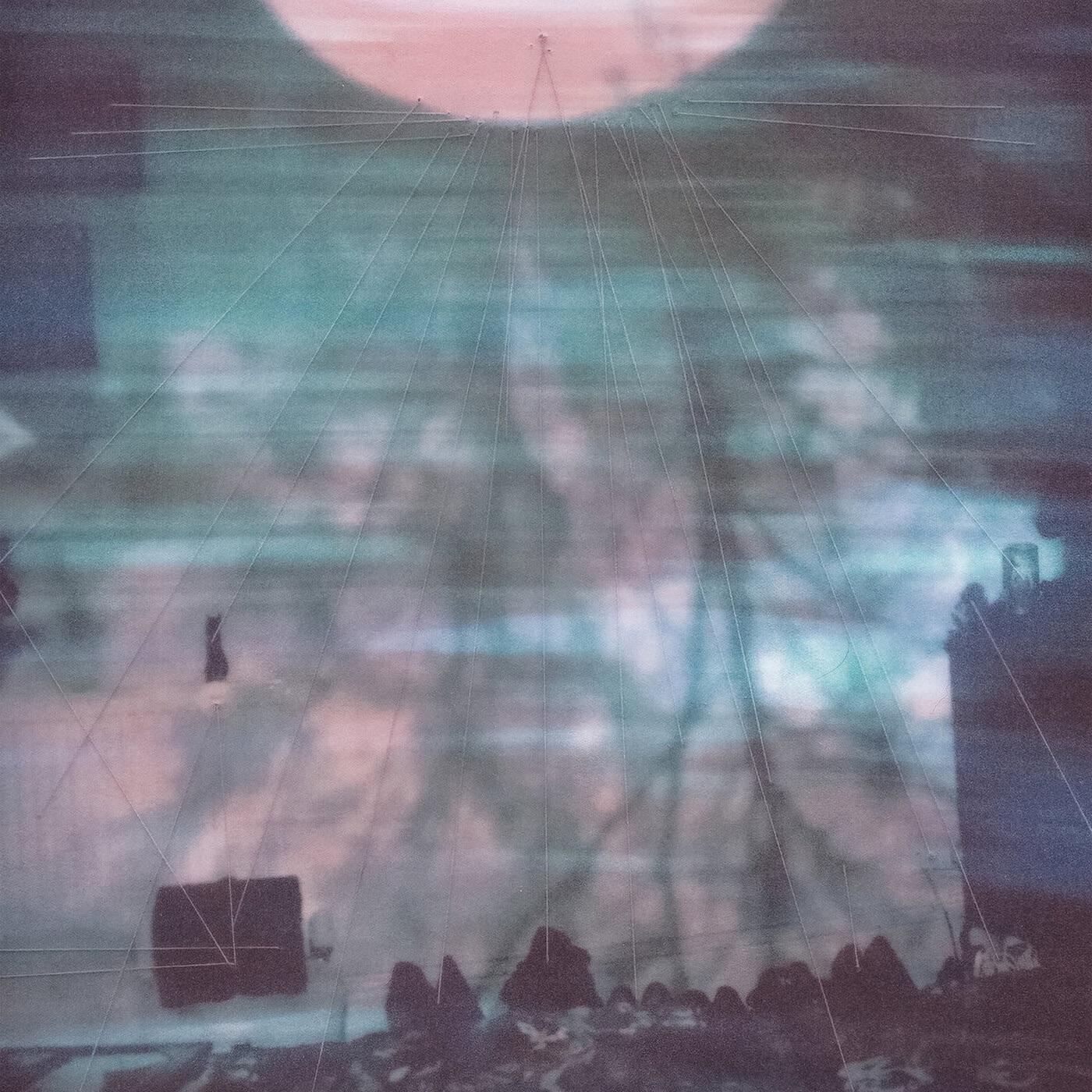
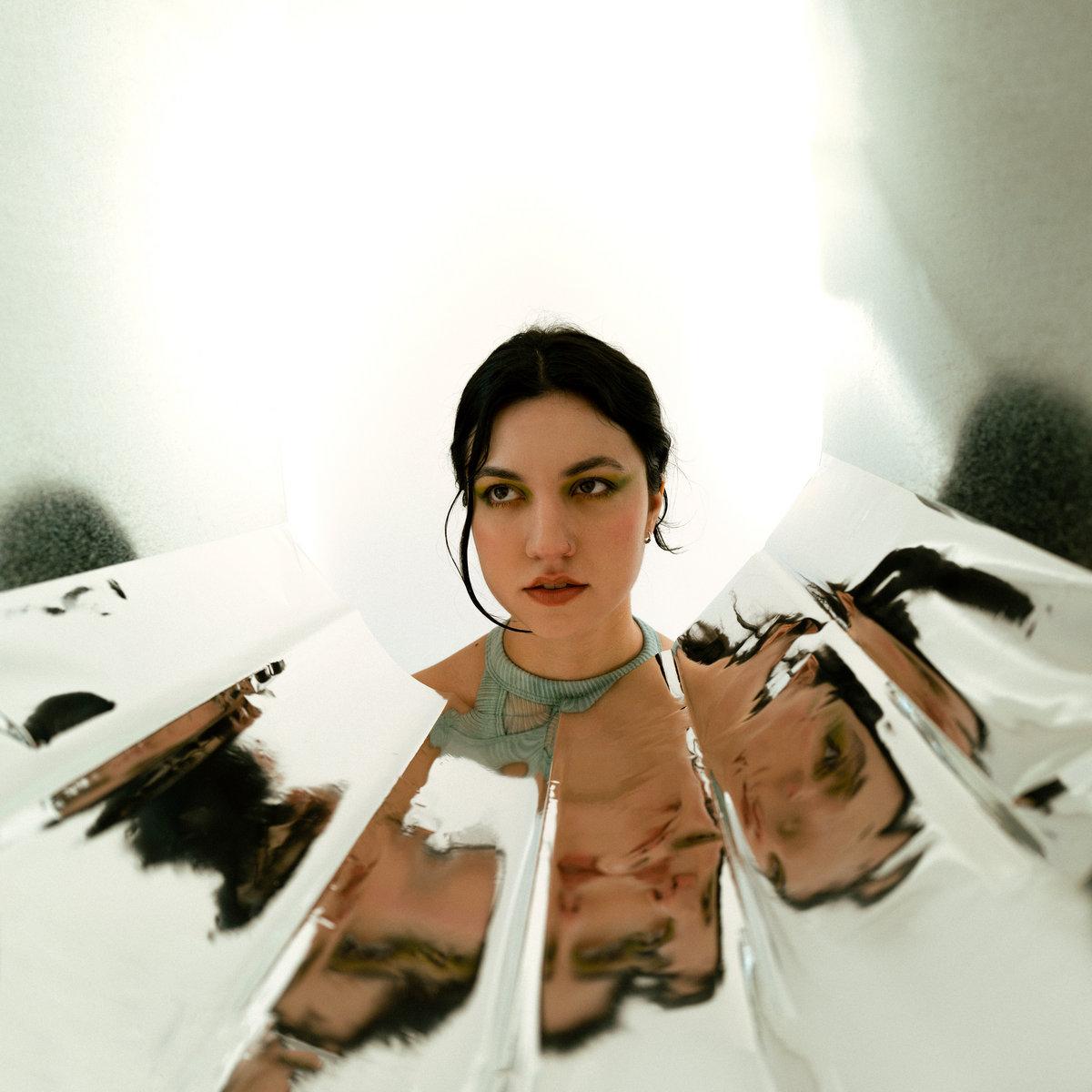
Brooklyn-based composer Rachika Nayar has spent four years building towards her debut album, and it shows in every bar. Our Hands Against the Dusk, released this week on NNA Tapes, is assembled from layers of heavily processed guitar, recorded string sections and slow-burning synth crescendos—a record that plays less like a guitarist’s solo project and more like the score to a memory. Bandcamp Daily’s Acid Test column recently called it “ambient music at its most gripping”, and it’s easy to hear why: this is ambient that seizes the listener rather than soothing them.
Opening track The Trembling of Glass announces the approach in miniature. Guitar loops are smeared and refracted until they shimmer, sitting beneath a patient string arrangement that swells with a restraint so careful its final peak feels earned rather than sudden. Marigolds & Tulsi, at just over two minutes, is the record’s first exhale—a brief, fragrant interlude of plucked notes and warm tape hiss that gestures towards the folk and devotional music Nayar has cited as an influence.
Losing Too Is Still Ours is the emotional centrepiece, and it’s no coincidence that its title borrows from Rilke’s Ninth Duino Elegy. Six and a half minutes move from fractured, near-hushed guitar through a cathartic wash of strings and synthesiser, the melody resolving slowly like something painful becoming bearable. A feature credit for YATTA on the track adds a further human voice to the record’s quiet, collaborative warmth.
The back half finds Nayar stretching out into longer arcs. The Edges and A Burning Plain build and release with real patience, whilst Aurobindo—named for the Indian philosopher and yogi—spends eight minutes climbing towards a climax that feels genuinely hard-won. Closer No Future resists its own title, closing the record on quiet resolve rather than despair, its strings fading out as if reluctant to leave.
That sense of held breath and hard-won release is what makes Our Hands Against the Dusk so striking. Four years of labour are audible in the record’s patience: nothing is rushed, nothing overstates its case. It’s a debut that sounds fully formed, and one of the most moving ambient records we’ve heard this year.











![The artwork for the album Before This by Ø [Phase]](/_next/image/?url=%2F_next%2Fstatic%2Fmedia%2Fartwork.3iatcz4yanrkb.jpg&w=3840&q=75)