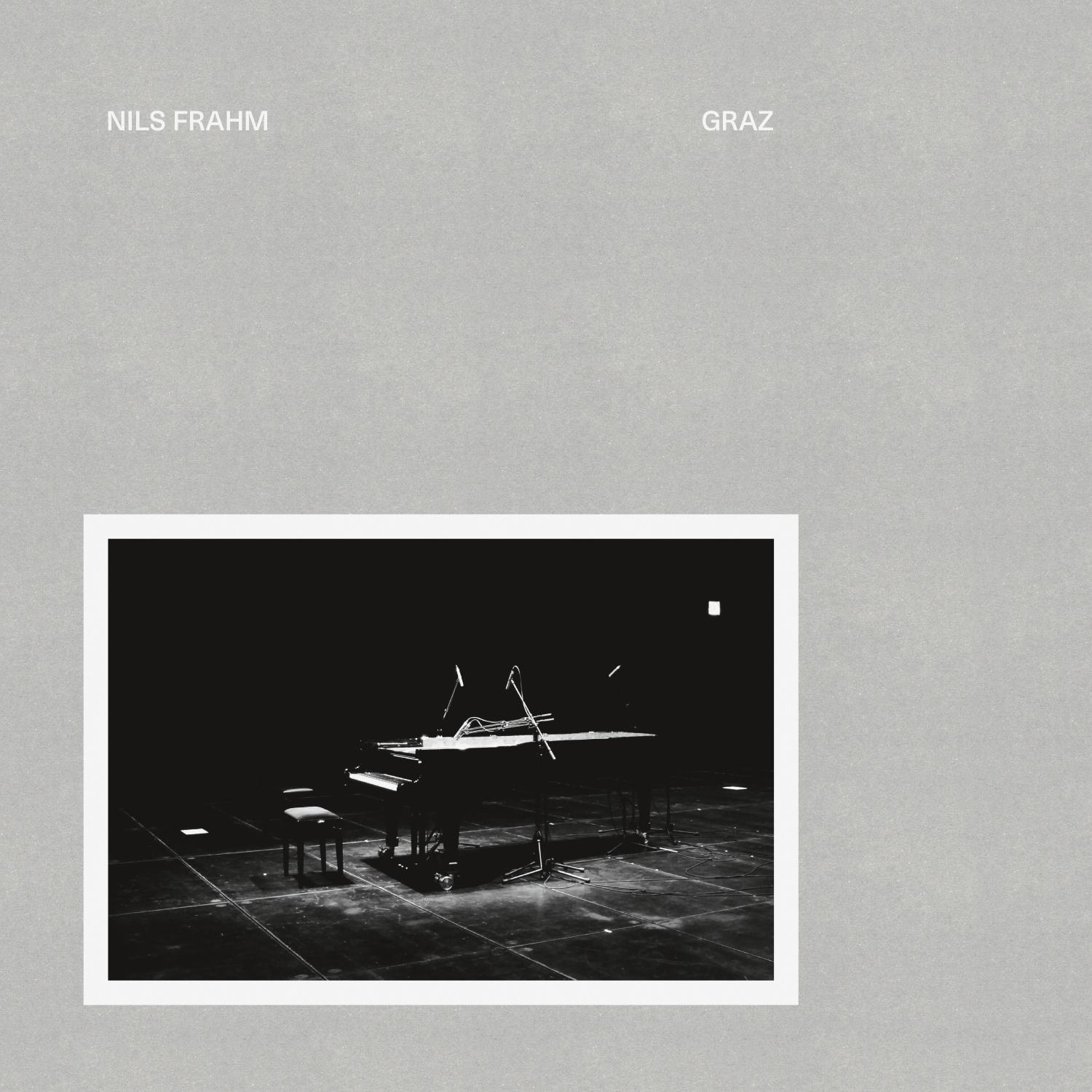
Nils Frahm has made a habit of the surprise drop — a new album with no warning, or a box-set of unreleased material appearing overnight — and his Piano Day 2021 offering is perhaps his most delightful yet. Graz, released on Erased Tapes, is his long-lost studio debut: recorded in 2009 as part of a thesis project while studying in the Austrian city, it sat unheard for a decade until the composer decided the anniversary of his own holiday deserved a proper excavation. Twelve years on, it arrives as both a time capsule and a missing piece of the puzzle.
For anyone who came to Frahm through All Melody or Spaces, Graz is a revelation — the sound of a young pianist discovering the tools he’d later rebuild his entire practice around. There are no Juno-60 choirs, no labyrinthine modular rigs, no field recordings. Instead there’s just Frahm, a grand piano and the room it lives in: the soft click of the sustain pedal, the air between notes, a composer listening back to himself and deciding to trust his instincts.
It’s a fiercely piano-first record. Lighter opens with a warm, unhurried melody that could have been written yesterday, whilst O I End lets a single chord hang and breathe before a sparse left hand wanders into the lower register. The centrepiece is Kurzum — at 8:38 the longest track here — a patient, near-minimal exploration that builds from one motif into something quietly majestic, closer in spirit to early Satie than to anything you’d file under dance music.
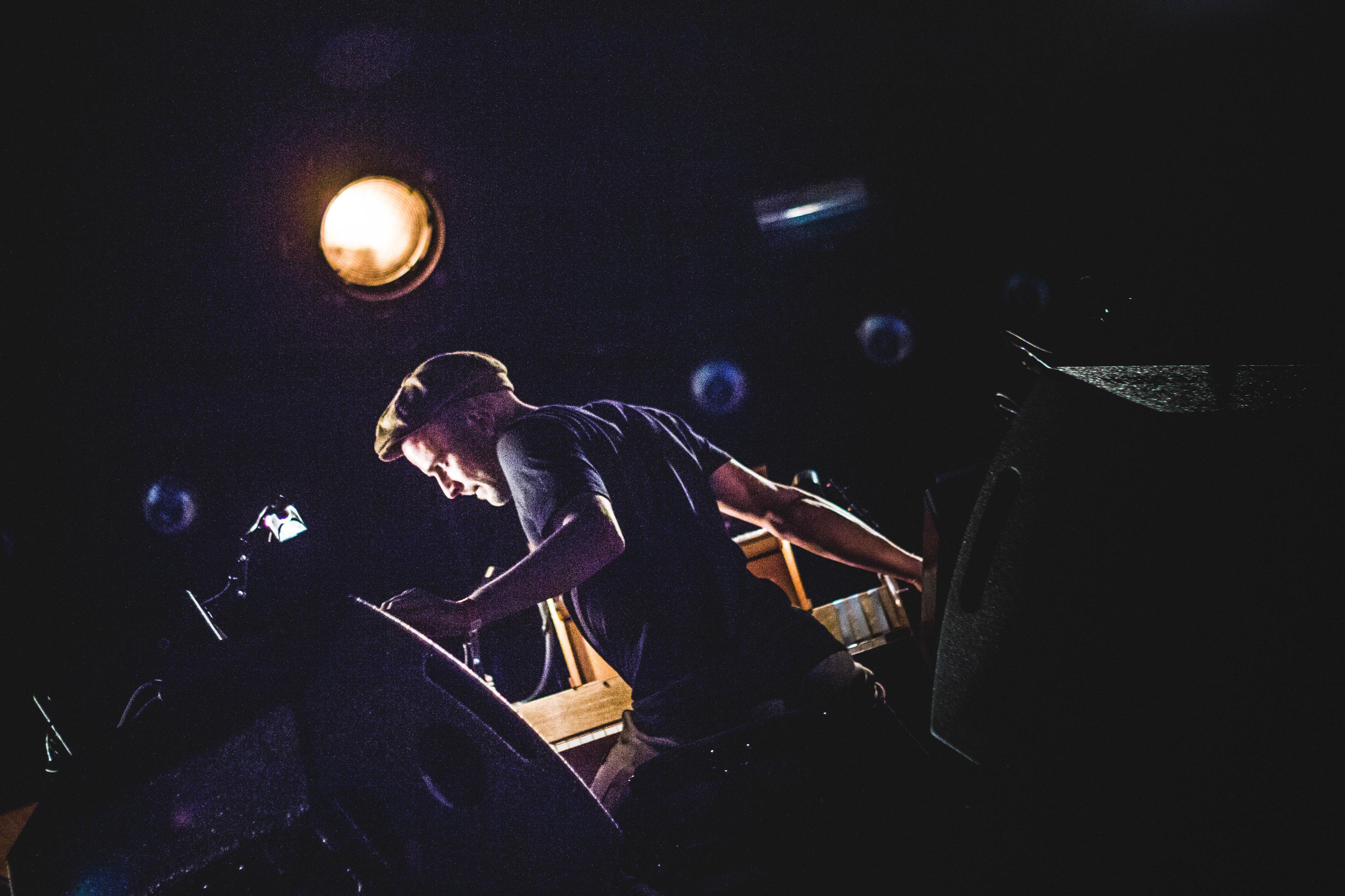
Graz was Nils Frahm's long-lost 2009 studio debut, released for Piano Day 2021.
The record’s most curious moment is Hammers, a 1:51 duet with Peter Broderick, the violinist and composer whose own Erased Tapes work has long run parallel to Frahm’s. The two pianists trade clipped, percussive figures; it sounds less like a composition than a conversation, an inside joke between friends — and it’s the closest Graz gets to the playful energy of Frahm’s later live shows.
Graz is not the grand statement of a composer arriving fully formed — and that’s precisely why it’s so endearing. It captures the moment before everything, when the ideas were still taking shape, and confirms that Frahm’s signature — classical poise married to human warmth — was there from the very first note. For fans it’s an essential chapter; for newcomers, a beautiful place to start.








![The artwork for the album Before This by Ø [Phase]](/_next/image/?url=%2F_next%2Fstatic%2Fmedia%2Fartwork.3iatcz4yanrkb.jpg&w=3840&q=75)