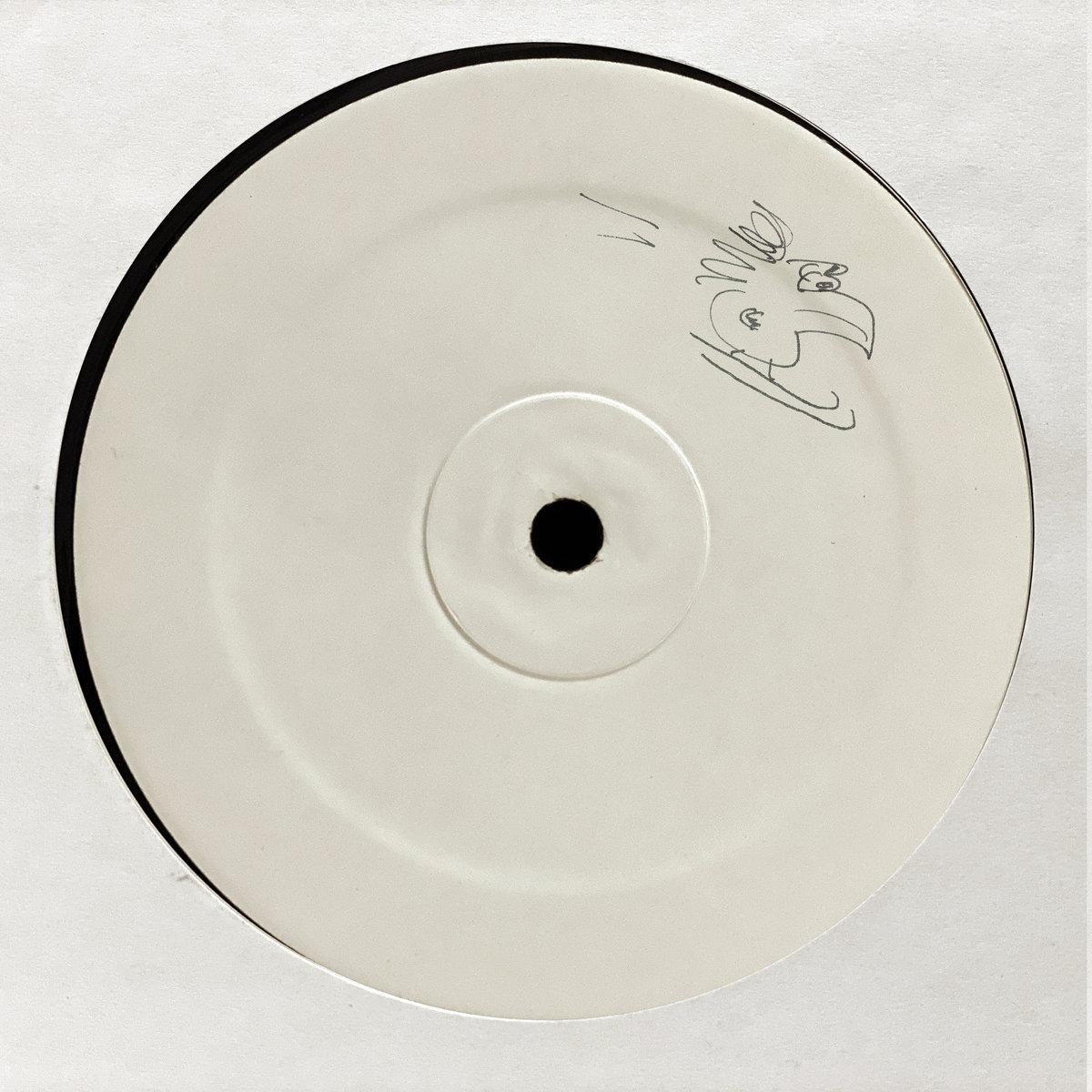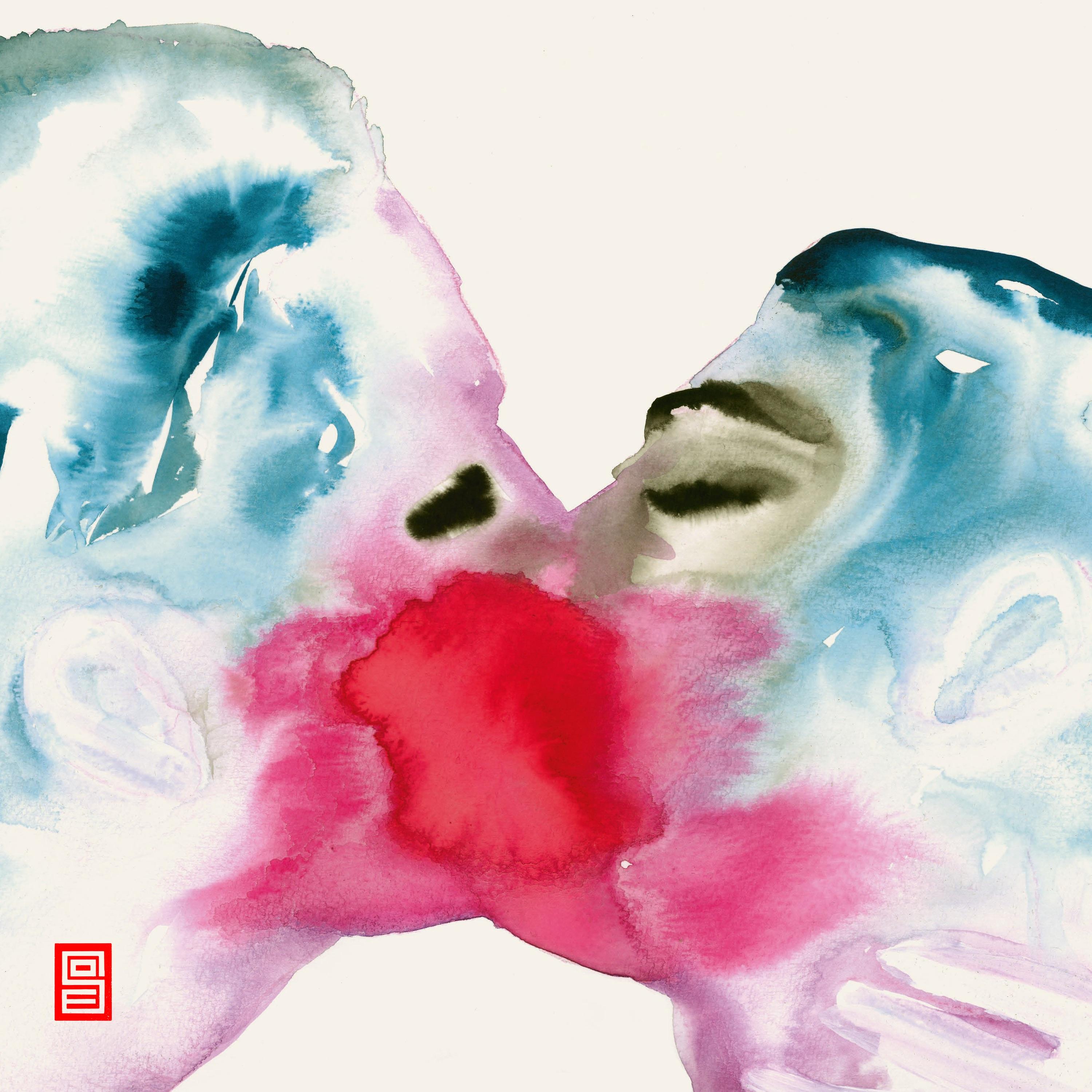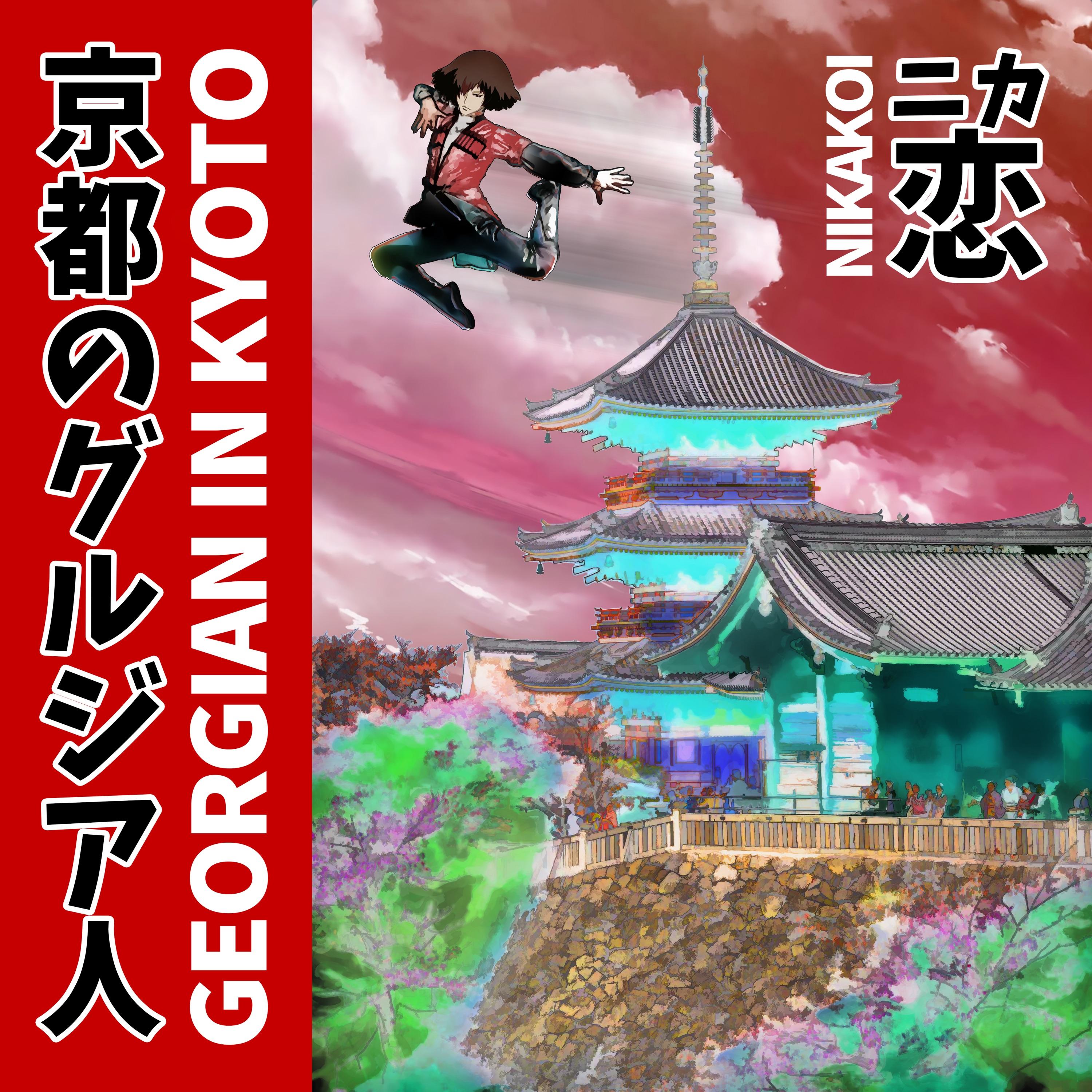
Nika Machaidze—recording as Nikakoi and, more recently, Erast—is widely considered the pioneer of Georgian electronic music, a reputation hard won across a career conducted almost entirely beyond the gaze of the international scene. Georgian in Kyoto continues the excavation of that story: an archival EP on CES Records, and the first official release of a piece written in Tbilisi in 2003 and 2004, now presented with three new edits. It arrives in the slipstream of the label’s earlier Sestrichka archive release, deepening a picture of a post-Soviet IDM scene that remains woefully under-documented.
The title track is the EP’s beating heart, and it’s striking how fully formed it sounds for material written by a young producer working in isolation from the West’s scene. The production is humid and intricate: skipping, off-centre percussion weaves through detuned synth pads and long, generous reverbs, whilst a softly voiced melody keeps the whole thing grounded. There’s a distinctly IDM sensibility at work—precise, considered, unafraid of silence—but the emotional register is pure ambient warmth, the melancholy of a Georgian musician imagining himself somewhere far from home.
The three new edits each pull a different thread from the original. Georgian in Kyoto (Contemplating Georgian Edit) stretches the material into its most spacious form, pads breathing in slow motion and the rhythm all but dissolving into the reverb. Georgian in Kyoto (Sad Georgian Edit)—at 2:27 the EP’s briefest moment—strips things back to melody and pulse, and is the closest the record comes to outright loneliness. Georgian in Kyoto (Georgian Ballroom Dancer Edit) is the outlier: the one interpretation that steps toward the dancefloor, its four-to-the-floor beat and slightly swingy percussion nodding to the house records that would shape so much of Machaidze’s later work.
As both document and music, Georgian in Kyoto succeeds. Seventeen years on, the title track sounds not like a relic but like a missing link, and the edits make a convincing case for the durability of its central idea. It isn’t the loudest or most demonstrative release you’ll hear this year, but as a window into a crucial, under-documented scene—and into the early work of one of its most important figures—it is quietly essential. Long may the excavation continue.